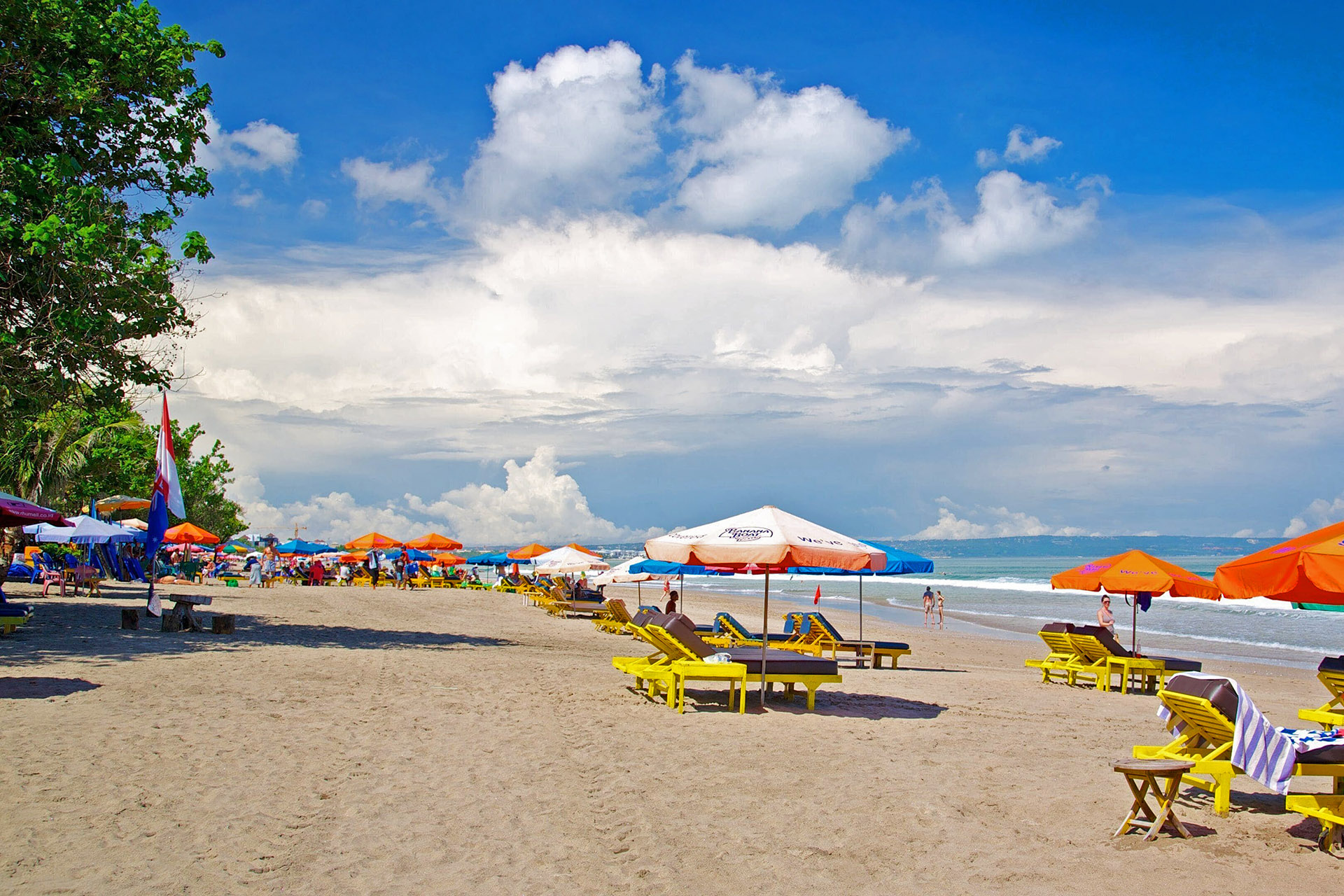
There is a reason travelers return to Bali during the dry months. The island feels open, balanced, and easy to enjoy—from sun-filled mornings to calm, breezy evenings. A Seminyak villa stay allows you to fully embrace this rhythm, with seamless access to beaches, dining, and private space to unwind. Whether it’s a quiet moment by the pool or a sunset by the coast, the dry season in Bali offers a way of experiencing the island that feels natural and unhurried.
When Bali Shifts Into Its Best Rhythm
There is a quiet moment in Bali when everything begins to change. The skies clear, the air feels lighter, and the rhythm of daily life shifts almost effortlessly. This is the arrival of the dry season in Bali — a time often described as the island at its most balanced, where nature, lifestyle, and travel experiences align in a way that feels easy and intuitive.
After months of tropical rains, the transition is subtle but unmistakable. Mornings arrive with soft sunlight instead of heavy clouds, afternoons stretch into long, golden hours, and evenings cool just enough to invite slow dinners outdoors. The shift in Bali weather is not just about less rain — it is about consistency. Days become more predictable, plans feel less dependent on the sky, and the island opens itself more fully to exploration.
For many travelers, this is why the dry season is considered the best time to visit Bali. Beaches become more inviting, roads are easier to navigate, and outdoor experiences—from coastal walks to inland day trips—feel more accessible. But beyond convenience, there is also a change in atmosphere. Cafés fill with quiet morning energy, sunset rituals return to the shoreline, and the island’s social and cultural life finds a natural flow that feels both vibrant and unhurried.
This guide is designed to help you understand what that shift really means. Not just in terms of temperature or sunshine hours, but in how it shapes your time on the island. From what the dry season in Bali actually feels like, to what you can expect, plan for, and enjoy the most — this is both a practical resource and an invitation to experience Bali at a time when it feels most like itself.
If you’re planning your stay, this is also the season when places like Seminyak come into their own. You may want to explore how the area’s lifestyle comes alive through dining and sunsets in our guides to Seminyak dining experiences and best sunset spots in Seminyak — both of which take on a different character under clear, open skies.
Understanding Bali’s Seasons — Wet vs Dry Explained
To truly appreciate the dry season in Bali, it helps to first understand how the island’s climate works. Unlike countries with four distinct seasons, Bali follows a much simpler tropical pattern. In essence, there are only two seasons: the wet season and the dry season. This dual rhythm defines not just the weather, but the way life, travel, and daily experiences unfold across the island.
When people search for Bali seasons explained, they are often surprised by how consistent the climate actually is. Temperatures remain warm throughout the year, typically hovering between 26–30°C, with only subtle variations. What changes most noticeably is not the heat, but the rainfall and humidity.
The wet season generally runs from November to March. During this period, rain tends to arrive in short, heavy bursts—often in the afternoon or evening—followed by clear skies. The island becomes lush and vibrant, with rice fields glowing in shades of green. While travel is still very much possible, plans can feel more fluid, and the air carries a heavier, more humid quality.
In contrast, the Bali weather dry season typically stretches from April through October. This is when rainfall decreases significantly, humidity drops, and the island settles into a more stable and predictable climate. Days are often sunny from morning to evening, with only occasional clouds passing through. The air feels lighter, and the overall environment becomes more comfortable for extended time outdoors.
What makes the dry season particularly appealing is not just the absence of rain, but the consistency it brings. Mornings tend to start clear and fresh, afternoons are bright and warm without being overwhelming, and evenings cool down just enough to feel refreshing. This steady pattern allows travelers to plan their days with confidence—whether it’s heading to the beach, exploring inland, or simply enjoying long, unhurried meals outside.
It’s also worth noting that Bali’s geography creates subtle variations across the island. Coastal areas like Seminyak experience dry, sunny conditions with ocean breezes, while inland regions such as Ubud may feel slightly cooler, especially in the mornings and evenings. These differences add depth to the overall experience but still follow the same broader seasonal pattern.
Understanding this balance between wet and dry seasons helps set the right expectations. The dry season in Bali is not about extreme heat or harsh conditions—it is about ease. It is when the island feels open, accessible, and naturally aligned with the way most travelers want to experience it.
What the Dry Season in Bali Really Feels Like
Understanding the concept of the dry season in Bali is one thing — experiencing it is something entirely different. What makes this season so appealing is not just the technical shift in rainfall, but how it feels to live through it day by day. The difference is subtle, yet it shapes nearly every part of your time on the island.
At its core, the Bali dry season weather is defined by clarity. Mornings often begin with soft, golden sunlight filtering through palm trees, with skies that feel wide and open. There is a noticeable lightness in the air — humidity drops just enough to make movement more comfortable, whether you are walking through Seminyak’s streets or heading out for a day by the ocean.
By midday, the sun is strong but rarely oppressive. Unlike in some tropical destinations where heat can feel heavy and overwhelming, the Bali temperature dry season tends to sit in a comfortable range, supported by gentle coastal breezes. In areas like Seminyak, the proximity to the ocean adds a natural cooling effect, making even the warmest parts of the day feel manageable.
One of the most appreciated aspects of the dry season is its consistency. Days tend to follow a predictable rhythm — clear mornings, bright afternoons, and gradual transitions into calm evenings. This reliability changes the way people experience Bali. Plans feel easier to make, and there is a natural confidence in stepping outside without constantly checking the forecast.
As the sun begins to set, the island takes on a different atmosphere. Evenings during the dry season are noticeably cooler, often bringing a gentle drop in temperature that makes outdoor living especially enjoyable. This is when Seminyak comes alive in its own way — with long dinners, open-air lounges, and quiet conversations under soft lighting.
If you are curious how this translates into daily experiences, you can explore how dry season enhances Bali’s lifestyle through guides like best sunset spots in Seminyak and Seminyak dining experiences, where the consistent weather plays a key role in shaping those moments.
Perhaps what defines the dry season most is not any single element, but the way everything comes together. The sun, the air, the rhythm of the day — all aligning to create a sense of ease. It is not about perfection, but about balance. And in Bali, that balance is often what makes a place feel truly unforgettable.
Why Many Travelers Prefer the Dry Season
Ask frequent visitors about the best time to visit Bali, and the answer often comes back to the same period: the dry season. While Bali is a year-round destination, there is something about these months that naturally aligns with how most travelers want to experience the island — outdoors, unhurried, and with a sense of ease that makes each day feel effortless.
One of the biggest reasons people enjoy visiting Bali in dry season is the way it supports an outdoor lifestyle. Bali is not a destination designed to be experienced from indoors. Its charm lives in open-air cafés, beach walks, temple visits, and slow afternoons by the pool. During the dry season, these experiences become more accessible and more enjoyable. Without the interruption of sudden rain, you can move through the day with a natural flow — from breakfast outdoors to sunset by the ocean — without needing to constantly adjust your plans.
Beach days, in particular, feel more inviting. The coastline around Seminyak becomes a daily rhythm rather than an occasional outing. Clear skies, consistent sunshine, and gentler winds create ideal conditions for everything from casual swims to long walks along the shore. The ocean often feels more approachable, and the horizon stretches wide and uninterrupted, making even simple moments by the water feel memorable.
Another key advantage is reliability. Travel, at its best, should feel relaxed — not overly planned or constrained by weather conditions. During the dry season, that sense of predictability allows you to plan with confidence. Whether you’re heading out for a day trip, reserving a table for dinner, or simply deciding how to spend your afternoon, the likelihood of weather disruption is low. This consistency makes it easier to enjoy Bali at your own pace.
This reliability also enhances the experiences that define destinations like Seminyak. Dining outdoors becomes a natural choice rather than a weather-dependent option. If you’re exploring the island’s culinary side, you can discover more through Seminyak dining experiences, where the dry season allows restaurants and cafés to fully embrace their open-air settings.
The same applies to evenings. Sunset becomes a daily ritual rather than something you hope to catch between clouds. The predictability of clear skies means that each evening carries the potential for those soft, glowing horizons that Bali is known for. If you’re curious about where to experience this best, you can explore best sunset spots in Seminyak, which truly come into their own during these months.
Ultimately, the appeal of the dry season is not just about better weather — it is about how that weather supports the way people want to travel. It allows Bali to be experienced fully, naturally, and without interruption, which is why so many consider it the ideal time to visit.
The Downsides of Bali’s Dry Season (Honest Perspective)
While the dry season in Bali is often considered the most desirable time to visit, it is not without its trade-offs. Understanding these realities does not take away from the experience — in fact, it helps you navigate the island more intentionally. With a bit of awareness and the right Bali dry season travel tips, many of these downsides can be managed or even avoided altogether.
One of the most noticeable changes during the dry months is the increase in visitors. This period overlaps with Bali peak season, particularly from June through August, when international holidays bring a higher volume of travelers to the island. As a result, popular areas like Seminyak, Canggu, and Ubud tend to feel busier than usual. Restaurants may require reservations, beach clubs fill up earlier in the day, and certain attractions become more crowded.
Alongside the crowds comes a natural rise in prices. Accommodation rates, especially for well-located villas, often increase during the dry season due to demand. Flights can also be more expensive, particularly during peak travel windows. For travelers planning ahead, this simply means booking earlier rather than later. Securing your stay in advance not only helps with pricing but also ensures access to the locations and properties that best match your travel style.
Traffic is another factor to consider. With more visitors on the island, roads — especially in popular areas like Seminyak — can become more congested at certain times of day. Short distances can take longer than expected, particularly in the late afternoon or early evening. This is where location becomes especially important. Staying within walking distance of key areas, or choosing a well-positioned villa, can significantly reduce the need for frequent travel.
There is also a more subtle environmental shift that happens during the dry season. With less rainfall, water levels in some inland areas — such as rivers, waterfalls, and rice fields — may appear lower compared to the lush peak of the wet season. While this does not diminish the beauty of Bali, it does change the visual landscape slightly. Waterfalls may feel less dramatic, and rice paddies may transition from vibrant green to more golden tones as harvest periods approach.
That said, these changes are part of the island’s natural rhythm. For many travelers, the benefits of sunshine, comfort, and consistency still outweigh the drawbacks. The key is to approach the Bali peak season with realistic expectations. Plan ahead, allow extra time for movement, and embrace flexibility where needed.
In many ways, the dry season invites a more thoughtful style of travel — one where timing, location, and pacing matter just as much as the destination itself.
What to Do in Bali During the Dry Season
If there is one time when Bali feels effortlessly aligned with travel, it is during the dry season. The consistent sunshine and lighter air create the perfect setting for a wide range of experiences, making it easy to fill your days without ever feeling rushed. When people ask what to do in Bali dry season, the answer is not a single activity — it is a lifestyle shaped by being outdoors as much as possible.
Beach days naturally become part of the rhythm. Along the Seminyak coastline, mornings are ideal for slow walks on the sand, while afternoons invite swimming, lounging, or simply watching the horizon stretch endlessly. The absence of frequent rain means you can plan beach time without second-guessing the weather. It becomes less of a scheduled outing and more of a daily habit — something you return to again and again.
For those drawn to the ocean, surfing is another highlight of Bali outdoor activities during the dry season. The west coast, including Seminyak and nearby areas, typically experiences consistent waves, making it suitable for both beginners and more experienced surfers. Early mornings often bring the best conditions, with clean swells and lighter winds. Even if you are not surfing, the energy of the shoreline — boards, movement, and ocean rhythm — adds a dynamic layer to the experience.
The dry season is also the perfect time for day trips. With clearer roads and more predictable conditions, exploring beyond Seminyak becomes easier and more enjoyable. Whether it is heading inland toward Ubud’s greenery, visiting temples along the coast, or discovering quieter beaches further afield, the journey itself feels smoother. If you are planning to venture out, you might explore ideas in Ubud day trip experiences, where the dry season enhances both the scenery and the overall flow of the day.
Back in Seminyak, daily life often revolves around cafés and slow mornings. The area’s café culture thrives during the dry season, with open-air spaces, natural light, and relaxed atmospheres inviting you to linger longer. Breakfasts stretch into brunch, and coffee becomes less of a quick stop and more of a moment to pause. You can discover more about this side of the area through Seminyak dining experiences, where the environment plays just as much of a role as the food itself.
As the day moves toward evening, the focus shifts naturally to the coast. Sunset becomes a shared ritual — not something reserved for special occasions, but a daily transition that marks the end of each day. Whether you choose a lively beach setting or a quieter stretch of sand, the dry season ensures that skies remain open and the colors unfold consistently. For those looking to explore different perspectives, best sunset spots in Seminyak offers a curated look at where to experience this moment at its best.
Outdoor dining completes the cycle. With warm evenings and minimal humidity, restaurants and villas alike embrace open-air settings. Tables spill into gardens, terraces, and courtyards, and meals unfold at a slower, more relaxed pace. Dining becomes less about rushing between plans and more about enjoying the atmosphere — the air, the light, and the sense of being fully present.
In the end, what defines the dry season is not just what you do, but how naturally everything fits together. From beach mornings to sunset evenings, each part of the day flo
Seminyak in the Dry Season — Where Everything Comes Together
There are many places to stay in Bali, but few come together as naturally as Seminyak during the dry months. When the skies clear and the days settle into a steady rhythm, the area reveals why so many travelers choose it as their base. The combination of location, atmosphere, and accessibility makes staying in Seminyak Bali particularly rewarding during this time of year.
One of the defining advantages is walkability. In a destination where traffic can sometimes shape the pace of your day, Seminyak offers a rare sense of ease. During the Seminyak weather dry season, clear skies and comfortable temperatures make walking not only possible, but enjoyable. Mornings can begin with a short stroll to a café, afternoons might lead you toward boutique-lined streets, and evenings naturally draw you closer to the coast — all without needing to rely heavily on transport.
This proximity creates a seamless balance between dining and beach life. In many parts of Bali, you often have to choose between being near the ocean or being close to restaurants and cafés. In Seminyak, the two coexist. You can spend the afternoon by the beach, return to your villa to refresh, and head out again for dinner — all within a relatively small radius. This fluid movement between experiences is what gives Seminyak its distinct appeal.
The dry season enhances this balance even further. With consistent weather, there is no hesitation in planning your day around outdoor experiences. Lunches extend longer, sunset plans feel dependable, and evenings unfold naturally without interruption. If you’re looking to explore this side of Seminyak more deeply, you can discover how it shapes daily life through Seminyak dining experiences and best sunset spots in Seminyak — both of which thrive under dry season conditions.
Beyond convenience, there is also a lifestyle element that becomes more apparent during these months. Seminyak feels active but not overwhelming, social but not chaotic. There is a rhythm to the day — quiet mornings, lively afternoons, and relaxed evenings — that mirrors the overall mood of the dry season itself.
This is where everything begins to align. The weather supports movement, the layout supports ease, and the environment encourages a slower, more intentional way of experiencing Bali. For travelers seeking both energy and comfort, Seminyak during the dry season offers a balance that is difficult to replicate elsewhere on the island.
Staying in a Villa During Bali’s Dry Season
There is something about the dry season in Bali that naturally invites a different way of living — one that feels more open, more relaxed, and more connected to the surroundings. This is where a Seminyak villa stay begins to reveal its full appeal. With clear skies and consistent weather, the villa experience shifts from simply being a place to stay into becoming a central part of the journey itself.
At the heart of this experience is indoor-outdoor living. Bali’s architecture is designed to blur the boundaries between inside and outside, and during the dry season, this design comes fully to life. Doors remain open longer, natural light fills the space throughout the day, and the gentle movement of air replaces the need for constant air conditioning. Living areas extend into gardens, terraces, and poolside spaces, creating an environment that feels both spacious and grounded.
The pool becomes a natural focal point of the day. In the dry season, it is not just an amenity — it is part of the daily rhythm. Mornings might begin with a quiet swim before breakfast, afternoons invite a refreshing pause from the sun, and evenings often end with a calm moment by the water. This simple, repetitive connection to the space creates a sense of familiarity and ease that is difficult to replicate in more traditional accommodation settings.
Privacy is another defining element. While Seminyak itself can be lively, stepping into a private villa creates a contrast that enhances the overall experience. The energy of the outside world remains accessible, yet never overwhelming. You can spend the day exploring, dining, or enjoying the beach, then return to a space that feels entirely your own — quiet, personal, and uninterrupted.
For those staying at Villa Issi Seminyak, this balance becomes particularly evident. Positioned within Seminyak yet set back enough to offer a sense of calm, Villa Issi allows guests to experience both sides of the area. Days can flow naturally between the outside world and the privacy of the villa, without the need for long transitions or planning.
The dry season enhances this rhythm. Without the interruption of rain, the connection between indoor and outdoor spaces remains uninterrupted. Meals can be enjoyed outside without hesitation, time by the pool becomes more frequent, and evenings stretch longer into the night air.
In many ways, staying in a villa during Bali’s dry season is less about accommodation and more about how you choose to spend your time. It offers a way to experience the island at your own pace — unstructured, comfortable, and deeply in tune with the environment around you.
Practical Tips for Visiting Bali in the Dry Season
While the dry months are often considered the easiest time to travel, a little preparation can make the experience even smoother. With higher demand and more consistent outdoor activity, having a few Bali dry season travel tips in mind helps you enjoy the island without unnecessary friction.
One of the most important things to consider is booking early. Because this period overlaps with Bali’s peak season, accommodations — especially well-located villas in areas like Seminyak — tend to fill up quickly. Flights can also become more expensive as availability decreases. Planning ahead not only helps secure better rates but also gives you access to the properties and locations that best suit your travel style. If you have specific preferences, leaving it too late can limit your options.
Hydration is another key factor that is often underestimated. The Bali dry season weather feels more comfortable due to lower humidity, but the sun remains strong throughout the day. Spending long hours outdoors — whether at the beach, walking through town, or exploring — can lead to dehydration more quickly than expected. Keeping a bottle of water with you and taking regular breaks in shaded areas can make a noticeable difference in how you feel throughout the day.
Sunscreen is equally essential. With clearer skies and longer sunny periods, exposure to direct sunlight increases. Applying sunscreen regularly, especially during midday hours, helps protect your skin and allows you to enjoy outdoor activities without discomfort. Light clothing, hats, and sunglasses can also help balance comfort with sun protection.
Transport planning becomes more relevant during the dry season as well. With more visitors on the island, traffic can be heavier in popular areas, particularly in the late afternoon and evening. Short distances may take longer than expected, so allowing extra time when heading to dinner reservations or day trips can reduce unnecessary stress. Alternatively, choosing accommodation in walkable areas — such as central Seminyak — can significantly minimize the need for frequent travel.
Finally, it helps to embrace a flexible mindset. Even in the most predictable season, Bali is best experienced without over-scheduling. Leaving space in your day allows you to adapt to the natural rhythm of the island — whether that means lingering longer at a café, staying for sunset, or simply enjoying the comfort of your villa.
With a bit of foresight and a relaxed approach, the dry season becomes exactly what it is meant to be: an easy, enjoyable, and naturally flowing way to experience Bali.
The Season Bali Feels Most Like Itself
There is no single way to define Bali. The island shifts with the seasons, with the light, and with the pace of those who experience it. Yet for many, the dry season in Bali is when everything feels most naturally aligned — when the island settles into a rhythm that is both effortless and deeply enjoyable.
It is not just about the absence of rain or the presence of sunshine. It is about how those elements shape the way you move through your days. Mornings feel clearer, afternoons more open, and evenings softer. Plans unfold without resistance, and time seems to stretch just enough to let you enjoy each moment without rushing toward the next.
In places like Seminyak, this balance becomes even more apparent. The connection between beach, dining, and daily life flows seamlessly, creating a lifestyle that feels both vibrant and grounded. Whether it is a quiet morning coffee, a spontaneous walk toward the ocean, or a slow dinner under open skies, each part of the day feels connected to the one before it.
A Seminyak villa stay adds another layer to this experience. It offers a space where the rhythm of the island can be felt more personally — where you can step in and out of the day as you choose. Time by the pool, open-air living, and the comfort of privacy allow you to experience Bali not just as a destination, but as a way of being, even if only for a short while.
Perhaps that is what makes the dry season so memorable. It is not defined by a single highlight, but by the consistency of small, meaningful moments. The way the light falls in the afternoon, the ease of moving through the day, the quiet satisfaction of ending it with a view of the horizon.
In the end, the dry season in Bali is less about timing and more about feeling. And for many travelers, it is when the island feels most like itself — open, balanced, and ready to be experienced at your own pace.
Frequently Asked Questions About the Dry Season in Bali
When is dry season in Bali?
The dry season in Bali typically runs from April to October, with the most consistent sunshine usually occurring between May and September. During these months, rainfall is minimal, humidity is lower, and days are generally clear from morning to evening. April and October act as transitional periods, where you may still experience occasional short rain showers, but overall conditions remain favorable. This seasonal window is widely considered the most reliable time for outdoor activities, beach days, and exploring the island without weather interruptions.
Is dry season the best time to visit Bali?
For many travelers, the dry season is indeed the best time to visit Bali. The consistent weather allows for smoother planning, more time outdoors, and a generally more comfortable experience. Beaches are more inviting, day trips are easier to organize, and dining outdoors becomes part of daily life. That said, “best” can still depend on your travel style. If you prefer fewer crowds and lower prices, the shoulder months (April, May, September, October) often offer the ideal balance between good weather and a more relaxed atmosphere.
Does it rain during dry season in Bali?
Yes — but only occasionally. Even during the dry season in Bali, brief rain showers can still occur, usually in the early morning or late evening. However, these are typically short-lived and rarely disrupt the day. Unlike the wet season, where rain can be more frequent and prolonged, dry season rainfall is minimal and unpredictable rather than consistent. Most days remain sunny and clear, which is why this period is known for its reliability
Is Bali too crowded in dry season?
The dry season overlaps with Bali peak season, particularly from June to August, so certain areas can feel busier than usual. Popular destinations like Seminyak, Canggu, and Ubud may experience more traffic, fuller restaurants, and higher demand for accommodation. However, Bali is a diverse island, and with the right planning — such as booking early, choosing well-located accommodation, and exploring at off-peak hours — it is still very possible to enjoy a relaxed and comfortable experience.
What to pack for Bali dry season?
Packing for the dry season is relatively straightforward. Light, breathable clothing is essential due to the warm daytime temperatures. Sunscreen is a must, as UV exposure is stronger with clearer skies. Comfortable footwear is useful for walking and exploring, especially in areas like Seminyak. You may also want to bring a light layer for cooler evenings. While rain is unlikely, a small compact umbrella or light jacket can be useful for occasional showers. Staying hydrated is key, so having a reusable water bottle is always a good idea.
Is Seminyak good during dry season?
Yes — staying in Seminyak Bali during the dry season is one of the most rewarding ways to experience the island. The area’s combination of beaches, cafés, restaurants, and walkable streets comes fully to life under consistent sunshine. Days can flow easily from morning coffee to beach time and into sunset dinners without interruption. A Seminyak villa stay, especially in a well-positioned property like Villa Issi, allows you to enjoy both the vibrant surroundings and the comfort of private space — making the dry season feel even more effortless and enjoyable.