For many visitors, Bali is known for its beautiful beaches, luxurious private villas, vibrant dining scene, and breathtaking landscapes. Yet beyond the island’s world-famous attractions lies something even more remarkable: a living culture that continues to shape everyday life across the Island of the Gods. One of the best times to witness this cultural richness is during Galungan in Bali, one of the most important religious celebrations in the Balinese calendar.
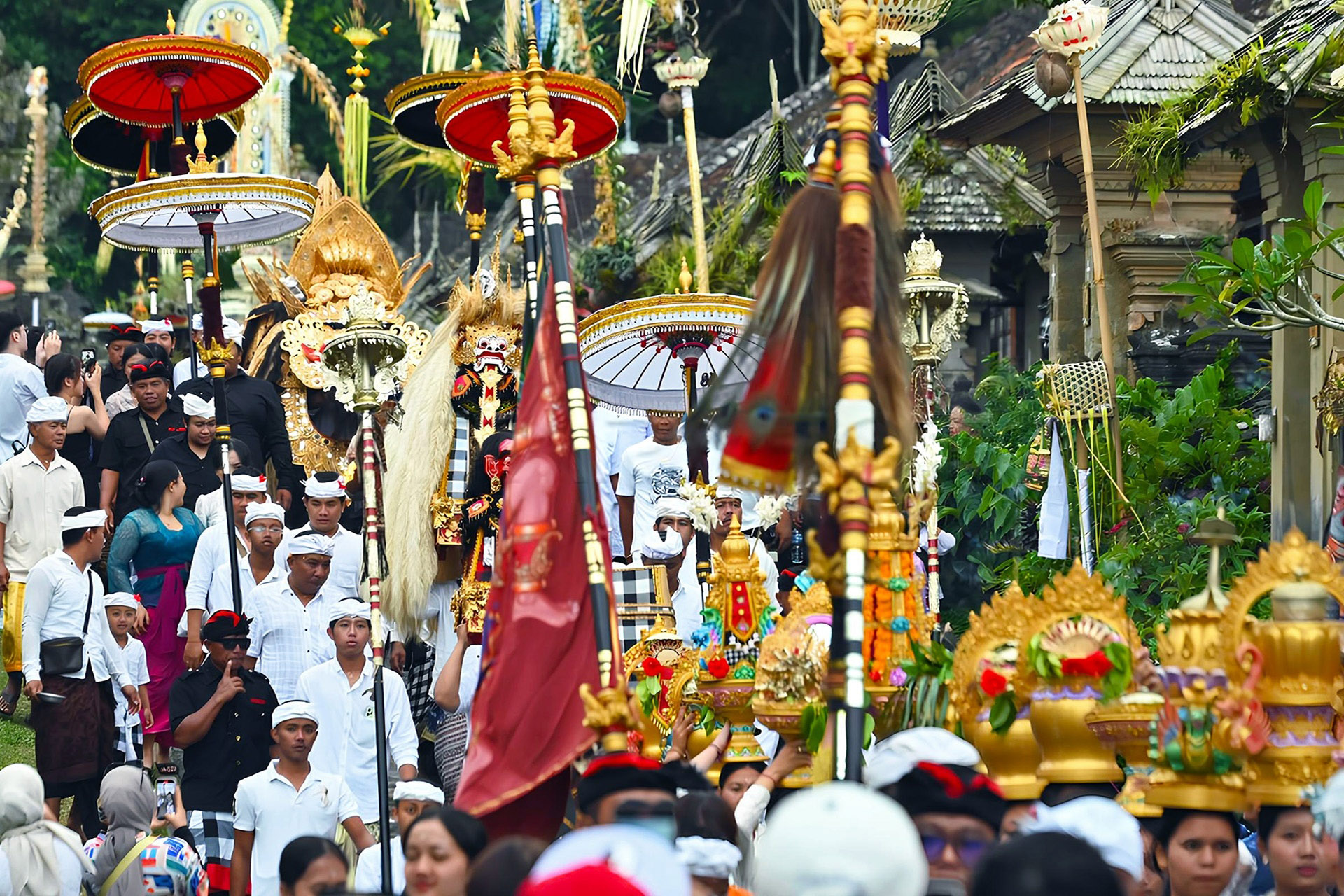
Unlike festivals created for tourism, Galungan is a deeply meaningful spiritual occasion observed by Balinese Hindus throughout the island. During this special period, families gather to pray, temples become filled with worshippers dressed in traditional attire, and streets transform with elegant bamboo decorations known as penjor. The atmosphere is both festive and sacred, offering visitors a rare opportunity to experience authentic Balinese culture at its most vibrant.
If you happen to be visiting during the Galungan festival Bali celebrates every 210 days according to the Balinese Pawukon calendar, you will quickly notice that something extraordinary is taking place. Villages become more colorful, ceremonial processions appear throughout the island, and a strong sense of community fills the air. Whether you are staying in Seminyak, Ubud, Canggu, or elsewhere in Bali, Galungan provides a fascinating window into the traditions, beliefs, and values that have shaped Balinese society for centuries.
For travelers seeking more than just sightseeing, experiencing Galungan can become one of the most memorable parts of a Bali holiday. It offers an opportunity to understand the island beyond its postcard-perfect scenery and connect with the cultural heritage that makes Bali unlike anywhere else in the world.
In this guide, you’ll discover what Galungan means to the Balinese people, how the celebration unfolds, what you can expect to see during the festivities, and how to respectfully enjoy your visit during this special time. You’ll also learn about the relationship between Galungan and Kuningan, the significance of the iconic penjor decorations, and practical tips for experiencing one of Bali’s most important cultural and religious events.
What Is Galungan in Bali?
If you are wondering what is Galungan in Bali, the simplest answer is that it is one of the most important religious celebrations observed by Balinese Hindus. However, to truly understand Galungan, it helps to look beyond the colorful decorations and festive atmosphere that visitors see on the surface. For the Balinese people, Galungan is a deeply spiritual occasion that celebrates the triumph of good over evil, righteousness over wrongdoing, and wisdom over ignorance.
At the heart of Galungan is the concept of the victory of Dharma over Adharma. In Balinese Hindu philosophy, Dharma represents truth, virtue, harmony, and moral order, while Adharma represents chaos, negativity, and forces that disrupt balance in life. The celebration serves as a reminder that every individual faces an ongoing spiritual journey and must continually strive to uphold positive values in daily life. Through prayer, offerings, and acts of devotion, Balinese Hindus reaffirm their commitment to living according to Dharma.
This message is one of the reasons Galungan remains so relevant in modern Bali. While the island has welcomed millions of international visitors and undergone significant changes over the years, the principles behind the celebration continue to guide communities across generations. Galungan is not merely a religious holiday; it is a living expression of values that shape family life, community relationships, and spiritual practice throughout the island.
Among the many Balinese Hindu traditions, Galungan holds a special place because it is closely connected to ancestral worship. Balinese belief teaches that during the Galungan period, the spirits of ancestors return to visit their descendants. Families prepare for their arrival by cleaning their homes, creating elaborate offerings, decorating family shrines, and participating in prayers together. These acts symbolize respect, gratitude, and the enduring connection between past and present generations.
This ancestral aspect is also one of the reasons many Balinese people travel back to their hometowns during the Galungan period. Similar to major family holidays in other parts of the world, Galungan is a time for reunion. Family members who work or study elsewhere often make every effort to return home to celebrate with parents, grandparents, and relatives. Villages become lively as extended families gather, share meals, visit temples, and participate in ceremonies together.
Visitors who experience Bali during Galungan often notice a strong sense of togetherness throughout the island. The celebration extends beyond individual households and becomes a community-wide event. Neighbors collaborate to prepare ceremonial decorations, local temples host special prayers, and villages work collectively to maintain traditions that have been passed down for centuries. This communal spirit is one of the most beautiful aspects of the celebration and offers valuable insight into the social fabric of Balinese society.
The importance of Galungan can also be seen through the many Balinese religious ceremonies that take place throughout the celebration period. Temples become centers of activity as worshippers arrive carrying offerings and dressed in traditional ceremonial attire. The sounds of prayer, gamelan music, and community gatherings create an atmosphere that feels both festive and reverent. For visitors, these moments provide a unique opportunity to witness authentic cultural traditions that continue to play a central role in everyday life.
Perhaps what makes Galungan particularly meaningful is that it reflects a broader Balinese philosophy of maintaining harmony between humanity, nature, and the spiritual world. The celebration is not focused solely on ritual, but on strengthening relationships—with family members, with ancestors, with the community, and with the divine. This interconnected worldview helps explain why Galungan remains one of the most cherished and widely observed celebrations in Bali today.
For travelers seeking a deeper understanding of the island, Galungan offers far more than beautiful sights and memorable photographs. It provides a glimpse into the beliefs and values that have helped preserve Bali’s unique cultural identity for generations. Understanding what Galungan means is often the first step toward appreciating the deeper spiritual and cultural dimensions of life on the island.
Why Galungan Is So Important to the Balinese People
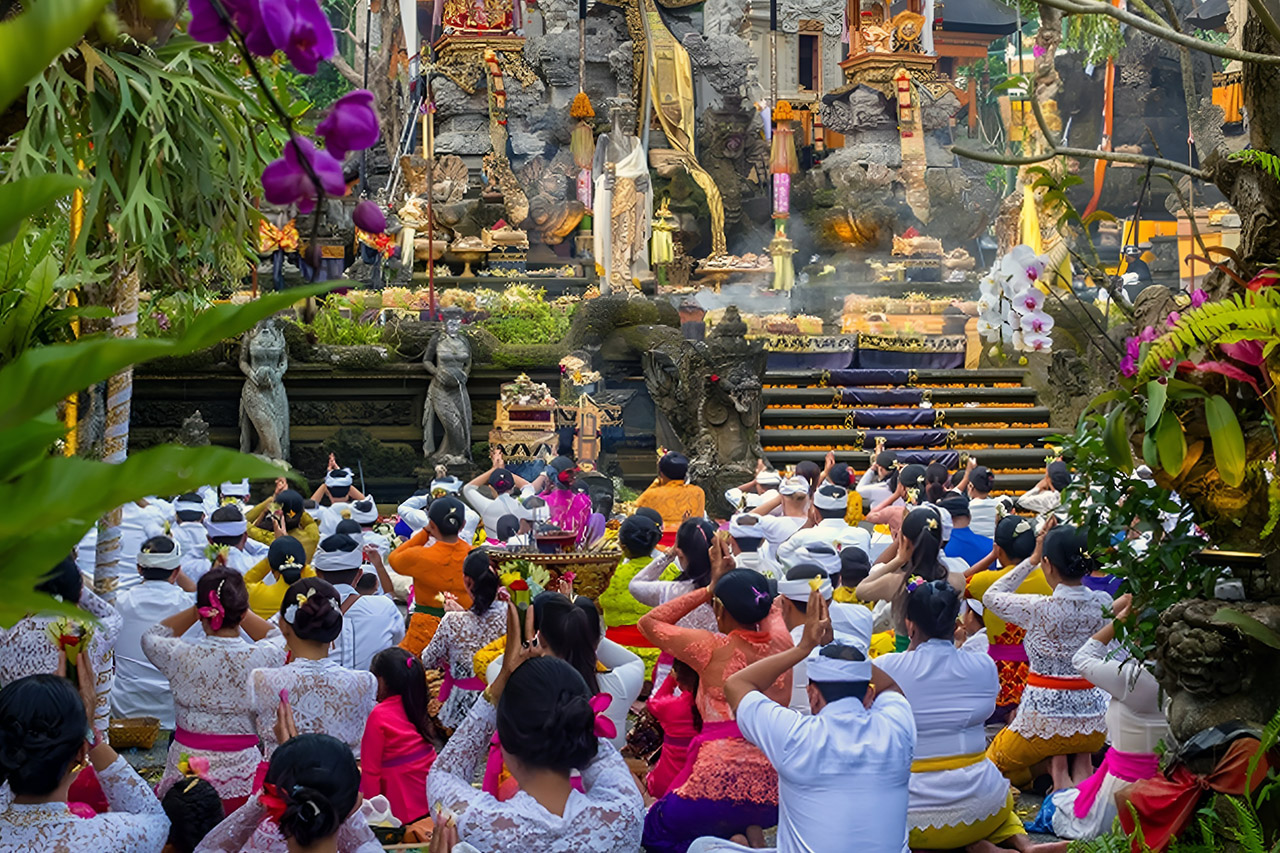
To fully appreciate the significance of Galungan, it is important to understand that this celebration is about far more than religious rituals alone. While visitors often notice the colorful decorations, temple ceremonies, and festive atmosphere, the deeper meaning of Galungan lies in the relationships it strengthens—with family, ancestors, community, and the spiritual world. This is one of the reasons the celebration remains among the most important expressions of Balinese culture and traditions today.
At its heart, Galungan is a time of reunion. Across Bali, many people who live, work, or study away from their hometowns make special arrangements to return home for the celebration. Roads become busier as families travel across the island to gather with parents, grandparents, siblings, and relatives. Homes that may have been quiet for much of the year suddenly become filled with conversation, laughter, shared meals, and preparations for upcoming ceremonies.
This family aspect is particularly meaningful because Balinese society places great importance on maintaining strong ties between generations. During Galungan, family members not only celebrate together but also participate collectively in prayers and offerings. These shared activities help pass cultural knowledge from older generations to younger ones, ensuring that traditions continue to thrive in an increasingly modern world.
Ancestor worship is another important reason why Galungan holds such a special place in Balinese life. According to Balinese Hindu belief, the spirits of ancestors return to visit their descendants during the Galungan period. Families welcome them through prayers and offerings performed at household shrines and temples. These rituals reflect gratitude toward those who came before and acknowledge the enduring bond between the living and the spiritual realm.
For many Balinese people, honoring ancestors is not simply a ceremonial obligation. It is an expression of respect, remembrance, and appreciation for the generations who helped shape their family and community. This spiritual connection to ancestors is woven into daily life throughout Bali, but during Galungan it becomes especially visible and deeply felt.
The celebration is also closely associated with temple worship. Throughout the Galungan period, families visit local temples to pray and make offerings. Temples that are often peaceful and quiet become vibrant gathering places where worshippers dressed in traditional attire come together to participate in ceremonies. The sight of entire families carrying beautifully prepared offerings creates some of the most memorable scenes visitors will encounter during the celebration.
These temple visits highlight another important aspect of this Balinese Hindu festival: the sense of collective participation. Galungan is not something observed privately behind closed doors. Instead, it is a community-wide experience that brings people together across villages, neighborhoods, and extended families. Preparations often involve cooperation among residents, who work side by side to create decorations, organize ceremonies, and maintain communal spaces.
This spirit of community is one of the defining characteristics of Bali’s social fabric. While many destinations around the world are becoming increasingly individualistic, Bali continues to place strong value on collective responsibility and mutual support. During Galungan, visitors can witness these values in action as communities come together to preserve traditions that have been practiced for centuries.
The celebration also serves as a period of spiritual reflection. The theme of Dharma overcoming Adharma encourages individuals to examine their own lives and consider how they can cultivate greater balance, wisdom, and compassion. While the festivities create a joyful atmosphere, there is also a strong emphasis on personal growth and spiritual renewal.
This combination of celebration and contemplation gives Galungan a depth that distinguishes it from many other festivals around the world. It is not merely a holiday marked on a calendar but an opportunity for people to reconnect with their beliefs, values, and responsibilities.
For visitors, experiencing one of these important Bali religious celebrations can be eye-opening. Many travelers arrive with images of Bali’s beaches, luxury villas, rice terraces, and beach clubs. While these attractions certainly contribute to the island’s appeal, Galungan reveals another side of Bali that is equally important. It demonstrates that the island’s unique character is rooted in a living culture that continues to shape everyday life.
Unlike performances created specifically for tourists, Galungan is authentic, meaningful, and deeply integrated into the rhythm of Balinese society. The ceremonies taking place across the island are not staged attractions but genuine expressions of faith and community. This authenticity is what makes the experience so memorable for many visitors.
By witnessing Galungan, travelers gain a deeper understanding of the traditions and values that have helped preserve Bali’s cultural identity through generations of change. They discover that Bali is much more than a holiday destination—it is a place where ancient beliefs, family connections, and community spirit remain an essential part of daily life. For many visitors, this realization becomes one of the most rewarding and memorable aspects of their journey on the island.
Understanding the Galungan and Kuningan Celebration Cycle
One of the questions many visitors ask is, how long does Galungan last in Bali? While Galungan itself refers to a specific ceremonial day, the celebration is actually part of a much larger religious cycle that unfolds over several days. Understanding the relationship between Galungan and Kuningan helps visitors appreciate the deeper spiritual significance behind the ceremonies, decorations, and traditions they encounter across the island.
Unlike many holidays that begin and end within a single day, the Galungan holiday Bali celebrates is part of an extended period of worship and reflection. The most important phase spans ten days, beginning with Galungan and concluding with Kuningan. However, preparations actually start several days before Galungan itself, creating a much longer sequence of rituals that gradually build toward the main celebrations.
For Balinese Hindus, this period represents a sacred time when the connection between the human and spiritual worlds becomes especially significant. Families spend days preparing offerings, cleaning shrines, decorating homes, and making arrangements for ceremonies. By the time Galungan arrives, communities across Bali have already invested considerable effort into honoring the occasion.
Galungan marks the moment when Dharma, or righteousness, is celebrated as victorious over Adharma, the forces of disorder and negativity. It is also believed to be the time when ancestral spirits descend from the spiritual realm to visit their descendants on earth. This belief gives Galungan much of its emotional and spiritual importance, as families gather not only to celebrate with one another but also to honor the ancestors who remain an important part of Balinese life.
During the days that follow Galungan, the atmosphere across Bali remains festive and devotional. Families continue to visit relatives, pray at temples, and make offerings. Villages retain their ceremonial decorations, while the iconic penjor bamboo poles remain prominently displayed along roads and in front of homes. For visitors, this extended period provides a wonderful opportunity to witness Balinese traditions without being limited to a single day of festivities.
The culmination of the celebration arrives ten days later with Kuningan, one of the most important days in the Balinese religious calendar. While Galungan celebrates the arrival of ancestral spirits, Kuningan marks their return to the spiritual realm. In Balinese belief, ancestors who have visited their families during the Galungan period prepare to depart once again, carrying with them the prayers and offerings presented by their descendants.
This understanding gives Kuningan a distinctive character. While it remains a joyful occasion, there is also a sense of completion and gratitude. Families gather for final prayers and offerings, expressing thanks for the blessings received and paying respect to their ancestors before their departure. The day serves as a symbolic closing chapter to a spiritual journey that began with Galungan.
Kuningan also carries its own ceremonial traditions. Special offerings are prepared, many featuring yellow rice, which is associated with prosperity, gratitude, and divine blessings. Temples once again become gathering places for worshippers, while families come together to mark the conclusion of this sacred period.
For visitors, understanding the connection between Galungan and Kuningan provides valuable context for what they are seeing throughout the island. The celebrations are not separate events but interconnected parts of a larger spiritual cycle centered on faith, family, gratitude, and remembrance. Every offering, temple visit, and ceremonial gathering contributes to this broader narrative.
Perhaps most importantly, the ten-day period between Galungan and Kuningan illustrates the depth of Balinese spirituality. Rather than focusing on a single moment of celebration, the cycle encourages continuous reflection, prayer, and connection. It reinforces the values of harmony, respect for ancestors, and devotion that remain central to Balinese life today.
For travelers fortunate enough to visit during this period, the experience offers far more than beautiful photographs of decorated streets and temples. It provides an opportunity to witness a living tradition that has been passed down through generations and continues to shape the rhythm of life throughout Bali. Understanding the journey from Galungan to Kuningan is one of the keys to appreciating the profound cultural and spiritual significance of these cherished celebrations.
The Series of Ceremonies Before Galungan
For visitors, Galungan may appear to begin when the streets suddenly fill with elegant penjor decorations and families start gathering at temples. In reality, however, the celebration is preceded by a series of important rituals and preparations that unfold over several days. These ceremonies are an integral part of the Galungan cycle and demonstrate the depth and complexity of Balinese Hindu ceremonies.
The days leading up to Galungan are a period of spiritual preparation, household activity, and community cooperation. Families clean their homes and shrines, prepare offerings, organize ceremonial materials, and make arrangements for upcoming worship. Across villages and neighborhoods, a sense of anticipation gradually builds as Bali prepares for one of its most important religious celebrations.
For travelers interested in understanding local culture, these preparations can be just as fascinating as Galungan itself. They reveal how spiritual beliefs are woven into everyday life and how entire communities work together to preserve traditions that have been passed down through generations.
Sugihan Jawa: Cleansing the Self
The first major stage of preparation is known as Sugihan Jawa, which takes place several days before Galungan.
The word “Sugihan” is associated with purification and cleansing. On this day, Balinese Hindus focus primarily on spiritual self-reflection and personal purification. The ceremony encourages individuals to examine their thoughts, actions, and intentions while preparing themselves spiritually for the sacred days ahead.
Rather than concentrating solely on physical rituals, Sugihan Jawa emphasizes inner cleansing. It is a reminder that preparing for Galungan involves more than decorating homes or creating offerings. True preparation begins within oneself through reflection, gratitude, and a renewed commitment to living according to Dharma.
For visitors seeking to understand Balinese spirituality, Sugihan Jawa offers insight into the importance of balance between external rituals and internal growth. The celebration of Galungan starts not with festivities, but with personal reflection.
Sugihan Bali: Purifying the Environment
The following day is known as Sugihan Bali, which expands the concept of purification beyond the individual.
If Sugihan Jawa focuses on cleansing the self, Sugihan Bali focuses on cleansing the surrounding environment. Families conduct rituals to purify household shrines, family compounds, and community spaces. Temples may also hold ceremonies intended to prepare sacred areas for the upcoming celebrations.
This stage reflects an important principle within Balinese philosophy: harmony exists when people, nature, and the spiritual world remain in balance. Preparing for Galungan therefore involves ensuring that both the inner self and the external environment are ready to receive blessings and honor ancestral spirits.
Visitors may notice increased activity around temples and family compounds during this period. Offerings become more visible, ceremonial preparations intensify, and communities begin shifting their attention toward the approaching celebration.
Penyekeban: Preparing the Fruits of the Harvest
A few days before Galungan comes Penyekeban, a tradition that is closely associated with household preparation and abundance.
Historically, Penyekeban involved ripening bananas and other fruits that would later be used in offerings and ceremonial meals. Families would carefully store bananas to ensure they reached the desired stage of ripeness in time for Galungan. While modern practices have evolved, the symbolic significance remains.
The ceremony represents thoughtful preparation and patience. Rather than waiting until the last moment, families begin organizing the materials needed for offerings and celebrations well in advance. This reflects the careful planning that characterizes many Balinese religious traditions.
Penyekeban is also connected to gratitude for nature’s abundance. Fruits and agricultural products play an important role in Balinese offerings, symbolizing prosperity, nourishment, and blessings received from both nature and the divine.
Penyajaan: Creating Traditional Cakes and Offerings
As Galungan draws nearer, attention turns to Penyajaan, a day dedicated to preparing traditional ceremonial foods.
The name is derived from “jaja,” a term commonly used for traditional Balinese cakes and snacks. Families spend time preparing a variety of foods that will be used both as offerings and as part of family celebrations. Kitchens become especially active as relatives work together to create dishes that have long been associated with important religious occasions.
For many Balinese families, Penyajaan is also an opportunity for different generations to spend time together. Older family members often share traditional recipes and techniques with younger relatives, helping preserve culinary traditions alongside religious customs.
Visitors staying in local communities during this period may notice increased activity around family compounds, local markets, and village gathering places. Ingredients for offerings and ceremonial meals become highly sought after as preparations intensify across the island.
The day highlights an important aspect of Balinese culture: food is not simply something consumed during celebrations. It is also a meaningful expression of devotion, gratitude, and togetherness.
Penampahan Galungan: The Final Preparations
The day before Galungan is known as Penampahan Galungan, and it is often one of the busiest and most energetic days in the entire celebration cycle.
This is the final stage of preparation before the main celebration begins. Families complete offerings, decorate shrines, prepare ceremonial clothing, and finalize arrangements for prayers and temple visits. Across Bali, households become centers of activity as relatives work together to ensure everything is ready for Galungan Day.
Traditionally, Penampahan Galungan is also associated with the preparation of festive meals. Many families prepare special dishes that will be shared during the celebration. The atmosphere is both productive and joyful, as anticipation for the following day’s ceremonies continues to build.
Community activity is especially visible during Penampahan Galungan. Villages work together to complete decorative elements, erect penjor bamboo poles, and organize local ceremonial arrangements. The result is a remarkable transformation that visitors can see throughout the island.
By evening, roads, villages, and family compounds begin to display many of the visual elements most commonly associated with Galungan. The island takes on a festive appearance as preparations reach their final stage.
More Than Preparation
While these ceremonies may appear to be simple preparations for a religious holiday, they reveal something much deeper about Balinese life. Each stage serves a specific purpose, guiding individuals and communities through a process of reflection, purification, gratitude, and cooperation before the arrival of Galungan.
Together, Sugihan Jawa, Sugihan Bali, Penyekeban, Penyajaan, and Penampahan Galungan create a meaningful journey rather than a single event. They demonstrate that Galungan is not merely a day of celebration but the culmination of a carefully structured spiritual process involving families, communities, and entire villages across Bali.
For visitors, understanding these preparatory ceremonies adds a new layer of appreciation to the experience. The beautiful decorations, elaborate offerings, and vibrant temple gatherings seen during Galungan are not spontaneous displays. They are the result of days of dedication, devotion, and collective effort that reflect the enduring strength of Bali’s religious and cultural traditions.
What Happens on Galungan Day?
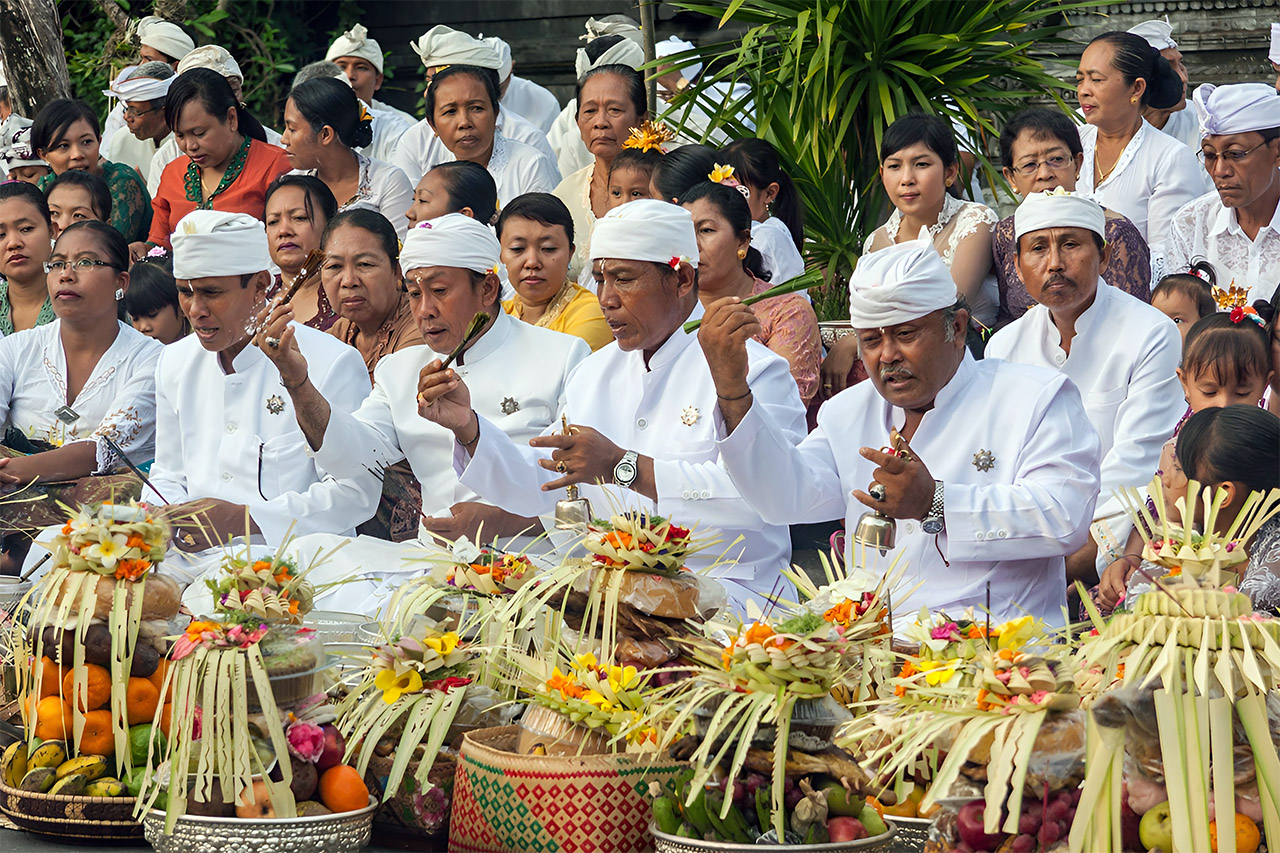
After days of preparation, reflection, and ceremonial activity, Galungan Day finally arrives. Across the island, families awaken early to begin what is arguably the most important day of the entire Galungan celebration. For Balinese Hindus, it is a day of prayer, gratitude, and connection with both ancestors and the divine. For visitors, it is an opportunity to witness Bali at its most authentic, spiritual, and visually stunning.
The atmosphere on Galungan morning feels different from an ordinary day in Bali. Even before sunrise, many households are already active. Family compounds that were busy with preparations the previous day now become places of worship. The scent of incense drifts through the air as offerings are carefully arranged at family shrines and temple altars. Fresh flowers, fruits, rice, and intricately crafted offerings are placed with great care, each carrying symbolic meaning and prayers.
As the morning progresses, the island begins to transform. Roads that are usually filled with scooters and tourists become adorned with people dressed in their finest traditional clothing. Men typically wear a white shirt, traditional sarong, sash, and udeng headcloth, while women often wear beautifully colored kebaya blouses paired with elegant sarongs and ceremonial sashes. The sight is both graceful and captivating, creating one of the most photogenic moments in the Balinese calendar.
For visitors staying in Seminyak, Canggu, Ubud, or other parts of Bali, simply taking a walk through nearby neighborhoods on Galungan morning can be a memorable cultural experience. Families can often be seen leaving their compounds together, carrying offerings as they make their way to temples for prayer.
Temple visits form the spiritual centerpiece of the day. Throughout Bali, temples become gathering places for worshippers who come to participate in a Bali religious ceremony that has been practiced for generations. The atmosphere is reverent yet welcoming, with families arriving together to offer prayers and seek blessings.
Many visitors are surprised by the sheer number of temple ceremonies taking place simultaneously across the island. From small neighborhood temples to large regional temples, worshippers gather throughout the day. The rhythmic sounds of bells, prayers, and occasional gamelan music create a distinctive atmosphere that is impossible to replicate outside Bali.
One of the most striking sights is the stream of women balancing elaborate offerings on their heads as they walk toward temples. Some offerings are simple, while others are astonishingly intricate, featuring fruits, flowers, cakes, and decorative elements carefully arranged into colorful towers. These offerings represent devotion, gratitude, and respect toward both ancestors and divine forces.
Family gatherings are another defining feature of Galungan Day. After temple visits and prayers, many families spend time together sharing meals, visiting relatives, and continuing the celebration within their homes. Grandparents, parents, children, and extended relatives come together, reinforcing family bonds that are central to Balinese life.
Unlike celebrations focused primarily on entertainment, Galungan places equal importance on togetherness and spirituality. Conversations often revolve around family, tradition, and gratitude. Younger generations have opportunities to learn from elders, while relatives reconnect after time spent apart. This emphasis on family is one of the reasons Galungan remains such an enduring and meaningful tradition.
Throughout the day, offerings continue to play an important role. Visitors will notice them not only at temples but also at household shrines, entrances, crossroads, businesses, and community spaces. These offerings serve as expressions of thanks and prayers for harmony and blessings. Their presence throughout the island creates a visual reminder that spirituality remains deeply woven into everyday life in Bali.
For travelers, one of the most remarkable aspects of Galungan is how naturally these traditions exist within modern society. Luxury resorts welcome guests, restaurants continue serving visitors, and popular destinations remain open, yet the island’s spiritual rhythm clearly takes center stage. The ceremonies are not performances designed for tourists; they are genuine acts of faith that happen to unfold in front of those fortunate enough to witness them.
The visual beauty of the day is enhanced by the penjor bamboo poles that line roads and village streets. Gracefully arching overhead, they sway gently in the breeze, creating scenes that many visitors describe as magical. Combined with traditional attire, temple ceremonies, and vibrant offerings, they transform ordinary streets into extraordinary cultural landscapes.
As evening approaches, the pace becomes calmer. Families return home after a day of worship and celebration, while offerings continue to adorn shrines illuminated by the soft glow of candles and lamps. The island settles into a peaceful atmosphere, carrying the sense of gratitude and spiritual fulfillment that defines Galungan.
For visitors seeking a deeper understanding of Bali, there are few experiences more rewarding than witnessing Galungan Day firsthand. It reveals an island that is far more than beaches, nightlife, and luxury accommodations. It offers a glimpse into a living culture where faith, family, community, and tradition remain at the heart of daily life. Long after the holiday ends, the memories of Galungan often become some of the most meaningful and enduring impressions travelers take home from Bali.
Penjor: The Beautiful Bamboo Decorations You’ll See Everywhere
If there is one image that perfectly captures the spirit of Galungan, it is the sight of towering penjor gracefully arching above roads, village streets, and family compounds across the island. For many visitors, these elegant bamboo structures become one of the most memorable visual impressions of the celebration. In fact, countless travelers first become curious about Galungan after seeing photographs of these decorations and wondering what they represent.
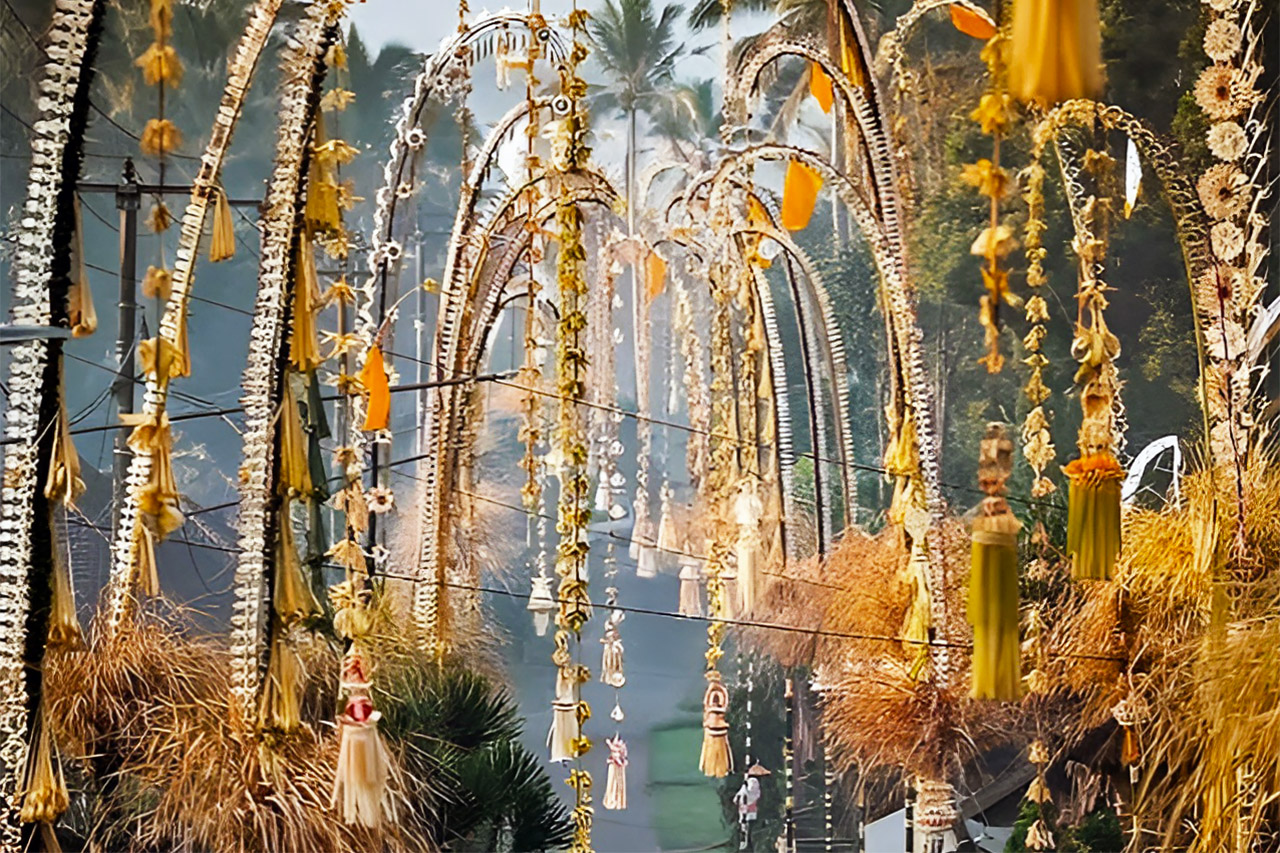
During the Galungan period, it is almost impossible to travel through Bali without noticing them. From bustling streets in Seminyak and Canggu to quiet village roads in the island’s interior, rows of beautifully decorated bamboo poles transform the landscape into something extraordinary. Their curved silhouettes sway gently in the breeze, creating scenes that feel both festive and deeply spiritual.
Known as Penjor Bali, these iconic decorations are far more than simple ornaments. They are among the most important symbols of Galungan and carry layers of religious, cultural, and philosophical meaning that reflect the values of Balinese Hinduism.
What Is a Penjor?
A penjor is a tall bamboo pole that is carefully decorated and erected outside homes, family compounds, businesses, and community spaces during the Galungan celebration. The upper portion bends gracefully toward the ground, creating the distinctive curved shape that has become one of Bali’s most recognizable cultural symbols.
Constructing a penjor requires significant effort and craftsmanship. Families often spend days gathering materials, preparing decorations, and assembling the structure before it is finally installed. While each penjor is unique, they generally share common decorative elements that carry symbolic significance.
For visitors, the visual impact is remarkable. Entire streets become lined with these elegant structures, creating a festive atmosphere unlike anything else in the world.
The Meaning Behind the Symbol
To fully appreciate the beauty of a penjor, it helps to understand its deeper meaning.
In Balinese Hindu belief, the penjor represents prosperity, gratitude, and devotion to the divine. Its curved form is often associated with sacred mountains, particularly Mount Agung, which holds immense spiritual significance in Bali. Mountains are regarded as sacred places where divine forces reside, making them powerful symbols of spiritual connection.
The upward-reaching bamboo pole can also be interpreted as a bridge between the earthly and spiritual realms. It serves as a visible expression of devotion and a reminder of humanity’s relationship with higher powers.
During Galungan, the presence of penjor throughout the island reflects the collective participation of communities in honoring the celebration. Each structure stands as a public declaration of faith, gratitude, and respect for tradition.
Coconut Leaves and Traditional Decorations
One of the most striking features of Galungan decorations Bali is the intricate artistry displayed in every penjor.
Decorative elements are commonly crafted from young coconut leaves, known locally as janur. Skilled hands transform these leaves into elaborate ornaments featuring delicate patterns, geometric shapes, and symbolic motifs. The craftsmanship involved is often extraordinary, reflecting techniques that have been passed down through generations.
Additional decorative elements may include flowers, fruits, rice stalks, and other natural materials. Together, these components create a harmonious design that is both aesthetically beautiful and spiritually meaningful.
The use of natural materials is no coincidence. Balinese Hindu philosophy emphasizes harmony between people and nature, and penjor embody this principle through their reliance on elements sourced from the natural world.
For visitors interested in photography, penjor offer some of the most spectacular visual opportunities during Galungan. Whether lining a village road or framing the entrance to a family compound, they create scenes that are uniquely Balinese and instantly recognizable.
A Celebration of Agricultural Prosperity
Beyond their decorative beauty, penjor also symbolize gratitude for abundance and prosperity.
Historically, Bali’s society was deeply rooted in agriculture, and many aspects of Balinese religious life continue to reflect this heritage. Rice cultivation has long been central to the island’s economy, culture, and spiritual worldview. As a result, agricultural themes feature prominently in many religious traditions.
The materials used in a penjor often represent the blessings provided by nature. Rice, coconuts, fruits, and other agricultural products symbolize nourishment, prosperity, and the gifts that sustain life. By incorporating these elements into ceremonial decorations, families express gratitude for the abundance they have received.
This connection to agriculture highlights an important aspect of Balinese culture: prosperity is viewed not merely as material wealth but as the result of maintaining harmony between humanity, nature, and the divine.
More Than Decoration
Perhaps the most important thing for visitors to understand is that penjor are not simply festive decorations designed to beautify the island during Galungan.
They are powerful spiritual symbols that communicate values deeply embedded within Balinese society. They reflect gratitude for life’s blessings, respect for nature, devotion to the divine, and the enduring connection between cultural traditions and everyday life.
When travelers admire rows of penjor stretching into the distance, they are witnessing far more than a seasonal display. They are seeing the visible expression of a living faith that continues to shape communities across Bali.
For many visitors, understanding the symbolism behind penjor transforms the experience of Galungan. What initially appears to be a beautiful decorative feature becomes a meaningful reminder of the beliefs and traditions that make Bali unlike anywhere else in the world. The next time you walk beneath the graceful curve of a penjor, you’ll know that it represents not only artistic craftsmanship but also centuries of spiritual heritage, cultural identity, and collective gratitude.
What Is Bali Like During Galungan?
For many travelers, one of the most common questions is whether visiting Bali during Galungan will affect their holiday plans. The short answer is yes—but almost entirely in positive ways. While there are a few practical considerations to keep in mind, Galungan is widely regarded as one of the most rewarding times to experience the island. The celebration transforms Bali visually, spiritually, and culturally, offering visitors a glimpse into a side of the island that many tourists never get to see.
The most immediate change is the atmosphere itself. From the moment you arrive, you may notice that Bali feels different. Streets become more colorful, villages appear more vibrant, and a stronger sense of tradition becomes visible in everyday life. Rather than disrupting a holiday, Galungan often enhances it by allowing travelers to experience the island at one of its most culturally significant moments.
Streets Lined with Penjor
Perhaps the most striking feature of Bali during Galungan is the presence of penjor throughout the island.
Elegant bamboo poles decorated with coconut leaves, agricultural offerings, and intricate ornaments line roads, village streets, and entrances to homes and businesses. Their graceful arches create a spectacular visual display that stretches for kilometers in every direction.
For visitors, this is one of the most photogenic periods of the year. A simple drive through Seminyak, Ubud, Sanur, Canggu, or the surrounding villages becomes a memorable sightseeing experience. Even familiar streets take on an entirely different character when framed by rows of beautifully crafted penjor swaying gently in the breeze.
Many travelers find that some of their favorite Bali photographs are taken during Galungan, not because they visit famous landmarks, but because everyday scenes become extraordinary.
Increased Temple Activity Across the Island
Another noticeable difference is the level of activity at temples.
Throughout the celebration period, temples become gathering places for worshippers participating in prayers and ceremonies. Visitors may encounter processions, groups carrying offerings, and families making their way to temples dressed in ceremonial attire.
Depending on where you stay, you may hear the sounds of bells, chanting, or traditional gamelan music associated with religious activities. These sounds become part of the island’s atmosphere, creating a unique cultural backdrop to your holiday.
For respectful visitors, observing these activities can be one of the most fascinating aspects of the experience. It provides an opportunity to witness authentic traditions rather than performances created specifically for tourism.
Traditional Clothing Everywhere
Galungan is also one of the best times to see traditional Balinese attire being worn throughout the island.
On ceremonial days, entire families often dress in their finest clothing before attending prayers and visiting temples. Men wear sarongs, sashes, and udeng headcloths, while women wear elegant kebaya blouses paired with colorful sarongs.
For travelers accustomed to seeing Bali primarily through the lens of beachwear and resort fashion, the visual contrast can be striking. The widespread use of traditional clothing reinforces the importance of the occasion and adds another layer of cultural richness to the experience.
Whether walking through Seminyak’s streets, dining at local restaurants, or exploring nearby villages, visitors are likely to encounter scenes that showcase Bali’s living traditions in a very visible way.
Family Gatherings and a More Community-Oriented Atmosphere
Galungan is fundamentally a family celebration, and this becomes apparent throughout the island.
Many Balinese people spend time visiting relatives, sharing meals, and participating in ceremonies together. Family compounds become centers of activity as multiple generations gather to celebrate.
For visitors, this often creates a warmer and more communal atmosphere. The celebration reminds travelers that Bali is not simply a tourism destination but a place where strong family connections and community values continue to play a central role in everyday life.
In many neighborhoods, the festive atmosphere is visible without feeling commercialized. The celebrations are taking place for the benefit of local communities rather than visitors, which is precisely what makes them so meaningful to observe.
Business Operations and Possible Closures
One practical consideration when visiting Bali during Galungan is that some locally owned businesses may adjust their operating hours.
Small family-run shops, local services, and independent businesses sometimes close temporarily while owners participate in religious activities and family gatherings. This is especially common on Galungan Day itself and during certain ceremonial periods.
However, visitors should not worry that the island shuts down completely. Hotels, private villas, most restaurants in tourist areas, supermarkets, transportation services, and major attractions generally continue operating as normal. Popular tourism hubs such as Seminyak, Ubud, Sanur, and Nusa Dua remain active and welcoming to visitors.
In fact, many travelers experience little disruption at all, particularly when staying in established tourism areas.
Expect Some Traffic Around Ceremonies
Another practical consideration involves transportation.
Because families travel to visit relatives and attend temple ceremonies, roads can become busier than usual in some areas. Temporary congestion may occur near temples or along routes leading to important ceremonial locations.
Visitors planning day trips should allow a little extra travel time, particularly during major ceremonial days. Flexibility can help reduce stress and make it easier to enjoy the experience.
Rather than viewing this as an inconvenience, many travelers find it becomes part of the cultural experience. Seeing families in traditional dress traveling together, carrying offerings, and participating in celebrations provides insight into the rhythms of Balinese life.
A Wonderful Time to Experience the Real Bali
Ultimately, Galungan offers something that many travelers seek but do not always find: an opportunity to experience the island’s authentic cultural identity.
The beaches remain beautiful. Restaurants remain inviting. Villas continue to provide comfort and relaxation. Yet during Galungan, these attractions are complemented by something deeper. The island reveals the traditions, beliefs, and community spirit that have shaped Balinese society for centuries.
For those fortunate enough to be in Bali during this period, the celebration often becomes one of the highlights of the entire trip. The decorated streets, temple ceremonies, family gatherings, and festive atmosphere provide experiences that go far beyond sightseeing. They offer a chance to witness a living culture in action and gain a deeper appreciation for what makes Bali truly unique.
Rather than asking whether it is a good time to visit Bali, many travelers leave wondering how they were lucky enough to experience the island during one of its most beautiful and meaningful celebrations.
Can Tourists Participate in Galungan?
One of the most common questions travelers ask is whether visitors can participate in Galungan celebrations or if the occasion is reserved exclusively for Balinese Hindus. The good news is that while Galungan is fundamentally a religious celebration, visitors are generally welcome to observe many aspects of the festivities and appreciate the cultural experience it offers.
Understanding what tourists should know about Galungan begins with recognizing that this is first and foremost a sacred occasion. Unlike cultural performances organized specifically for visitors, Galungan is a genuine expression of faith, family, and tradition. Approaching the celebration with curiosity, humility, and respect allows travelers to enjoy a meaningful experience while honoring local customs.
For many visitors, Galungan becomes one of the most memorable parts of their Bali holiday precisely because it offers an opportunity to witness authentic traditions rather than staged attractions. The key is knowing how to engage respectfully.
What Visitors Are Welcome to Observe
Visitors can enjoy many aspects of Galungan simply by being present in Bali during the celebration period.
Walking through neighborhoods adorned with penjor, observing families dressed in ceremonial attire, visiting public areas around temples, and witnessing processions are all experiences that can be enjoyed respectfully. Many travelers find that some of their most meaningful memories come from quietly observing daily life as communities celebrate together.
Temple ceremonies, processions, and family gatherings are often visible from public spaces. While some rituals are private or intended only for participants, many aspects of the celebration naturally take place within view of visitors.
The most respectful approach is to observe rather than assume participation. If a local host, guide, villa staff member, or Balinese friend extends an invitation to attend a ceremony or family gathering, consider it a privilege and follow their guidance carefully.
How to Dress Respectfully
One of the simplest ways to demonstrate respectful travel in Bali is through appropriate clothing.
If you plan to visit temples or attend ceremonies when invited, modest attire is essential. Shoulders and knees should generally be covered, and visitors may be required to wear a sarong and sash when entering temple grounds.
Many temples provide sarongs for visitors, while some accommodations and local businesses also offer them. Wearing traditional attire when appropriate is not only a sign of respect but can also help visitors feel more connected to the cultural experience.
Even when not entering temples, dressing modestly around ceremonial activities is appreciated. Beachwear and revealing clothing may be perfectly acceptable on the beach but can feel out of place near religious gatherings.
Temple Etiquette
Temples play a central role throughout the Galungan celebration, making basic etiquette particularly important.
Visitors should remember that temples are places of worship rather than tourist attractions. If entering a temple is permitted, always follow instructions provided by temple attendants or local hosts. Certain areas may be restricted to worshippers, and these boundaries should always be respected.
Remain quiet during prayers and ceremonies, avoid interrupting worshippers, and be mindful of where you stand. Walking in front of people who are praying, touching ceremonial objects, or entering restricted areas can unintentionally cause offense.
If you are unsure whether a particular area is accessible to visitors, simply ask. Balinese people are often welcoming and appreciative when visitors show genuine interest while respecting local customs.
A good rule of thumb is to behave as you would when entering any sacred space anywhere in the world—with courtesy, patience, and awareness of those who are there to worship.
Photography Etiquette
Galungan presents countless beautiful photographic opportunities. The penjor, traditional clothing, elaborate offerings, and temple ceremonies create scenes that many visitors naturally want to capture.
However, respectful photography is important.
When photographing ceremonies, remember that the primary purpose of the event is worship, not tourism. Avoid using flash during prayers, do not obstruct participants, and refrain from stepping into ceremonial spaces simply to obtain a better angle.
When taking photographs of individuals, especially during religious activities, asking permission whenever possible is considered courteous. Most people appreciate being treated as participants in a meaningful cultural tradition rather than as tourist attractions.
Sometimes the most respectful choice is to put the camera away and simply experience the moment. Many visitors discover that the strongest memories of Galungan come not from photographs but from the atmosphere, sounds, and emotions of the celebration itself.
Supporting Local Culture During Galungan
One of the best ways visitors can engage with Galungan is by supporting local culture in thoughtful and responsible ways.
Choosing locally owned businesses, learning about Balinese traditions, hiring knowledgeable local guides, and showing interest in cultural practices all contribute positively to the community. Visitors who take the time to understand the significance of what they are witnessing often gain far more from the experience than those who simply view it as a spectacle.
Staying in locally managed villas, dining at family-owned restaurants, and exploring neighborhoods beyond Bali’s most tourist-focused areas can also provide valuable opportunities to connect with the island’s cultural heritage.
Most importantly, approach the celebration with an open mind. Galungan offers a chance to learn about values such as gratitude, community, respect for ancestors, and spiritual balance—principles that remain deeply woven into Balinese life.
A Privilege, Not Just an Attraction
Ultimately, tourists do not need to actively participate in ceremonies to experience the beauty of Galungan. Simply being present in Bali during this special period provides a unique opportunity to witness a living tradition that continues to shape the island’s identity.
Visitors who approach the celebration respectfully are often rewarded with a deeper understanding of Bali than they could gain through sightseeing alone. The decorated streets, temple gatherings, family reunions, and spiritual atmosphere reveal a side of the island that exists far beyond its beaches, resorts, and famous attractions.
Galungan is not a performance put on for visitors—it is a cherished religious and cultural tradition that Balinese communities celebrate for themselves. Being able to observe and learn from it is a privilege, and one that many travelers remember long after their holiday has ended.
Staying in Seminyak During Galungan
Many travelers associate Seminyak with stylish beach clubs, acclaimed restaurants, boutique shopping, and vibrant nightlife. While these attractions certainly contribute to the area’s popularity, visitors who experience Seminyak during Galungan often discover a different side of the neighborhood—one that reveals the cultural heart that continues to thrive beneath its cosmopolitan atmosphere.
One of the most rewarding aspects of visiting Bali during Galungan is realizing that the celebration is not limited to remote villages or traditional cultural centers. Even in one of Bali’s most sophisticated tourism destinations, the rhythms of Balinese life remain very much alive. Temple ceremonies continue, families gather for worship, and streets become decorated with penjor that transform the landscape into a living expression of faith and tradition.
For guests staying in Seminyak, this creates a unique opportunity to enjoy some of Bali’s most authentic cultural moments without sacrificing comfort, convenience, or access to the area’s renowned lifestyle offerings.
Experiencing Authentic Bali from Seminyak
One of the misconceptions some visitors have is that cultural experiences in Bali require traveling far from established tourism areas. During Galungan, however, authentic cultural encounters can be found almost everywhere.
A simple morning walk through Seminyak’s residential lanes can reveal beautifully decorated family compounds, offerings placed outside homes and businesses, and families dressed in ceremonial attire on their way to temple gatherings. The contrast between modern cafes, luxury villas, and centuries-old traditions creates a uniquely Balinese atmosphere that is difficult to find anywhere else in the world.
Visitors who take the time to explore beyond the main commercial streets often discover that the cultural dimension of Seminyak is closer than they imagined.
Walking Through Streets Adorned with Penjor
Perhaps the most memorable experience during Galungan is simply walking through the neighborhood.
Rows of penjor line the streets, their elegant bamboo arches creating a stunning visual canopy above roads and pathways. Morning light filtering through the decorations, combined with the scent of incense and the sounds of daily ceremonial activities, creates an atmosphere unlike any other time of the year.
For photographers, culture enthusiasts, and curious travelers alike, these walks often become a highlight of their stay. Unlike visiting a museum or attending a scheduled cultural performance, the experience unfolds naturally as part of everyday life.
Every street corner offers a reminder that Bali’s traditions remain vibrant and deeply woven into the fabric of local communities.
Temples and Ceremonial Activity Nearby
While visitors should always observe ceremonies respectfully, staying in Seminyak provides opportunities to witness aspects of Galungan without traveling long distances.
Local temples throughout the area become centers of activity during the celebration period. Families carrying offerings, worshippers dressed in traditional attire, and ceremonial gatherings can often be observed while exploring the neighborhood.
The experience allows visitors to appreciate Bali’s spiritual traditions in a natural setting rather than through curated tourism experiences. It is often these spontaneous encounters that leave the strongest impression and provide the most meaningful insights into local culture.
Beyond Restaurants, Shopping, and Nightlife
Seminyak’s reputation is well deserved. The area is home to some of Bali’s best restaurants, beach clubs, spas, and shopping destinations. Yet Galungan reveals another dimension of the neighborhood that many visitors might otherwise overlook.
The celebration serves as a reminder that Bali’s appeal extends beyond leisure and entertainment. The island’s enduring cultural identity remains one of its greatest attractions, and Galungan offers a rare opportunity to witness that identity on full display.
For travelers seeking deeper cultural experiences in Bali, the celebration provides a richer context for understanding the island they are visiting. Dining at a favorite restaurant, relaxing by a private pool, or enjoying a sunset cocktail becomes even more meaningful when balanced with moments of cultural discovery and local connection.
Enjoying the Celebration with the Comforts of a Private Villa
One of the advantages of staying in a private villa during Galungan is the ability to immerse yourself in the atmosphere of the celebration while maintaining the comfort and flexibility that many travelers value.
After a morning exploring decorated streets or observing local ceremonies, guests can return to the privacy of their villa to relax, enjoy time with family and friends, or simply take in the peaceful surroundings. The experience combines cultural discovery with the comfort and convenience that make a Bali holiday so enjoyable.
For guests staying at Villa Issi Seminyak, this balance comes naturally. Located in the heart of Seminyak, the villa offers easy access to restaurants, beaches, shopping, and entertainment while also providing opportunities to experience the cultural atmosphere that emerges during Galungan.
The result is a holiday that feels both enriching and relaxing—a chance to witness one of Bali’s most important celebrations while enjoying all the benefits of staying in one of the island’s most desirable locations.
Ultimately, Galungan demonstrates that Bali’s greatest strength lies not only in its landscapes, luxury accommodations, or world-class hospitality, but also in the living traditions that continue to shape everyday life. Staying in Seminyak during this special period allows visitors to experience both sides of the island at once: the comfort and sophistication of a modern holiday destination and the enduring cultural heritage that makes Bali truly unique.
Experience the Spirit of Galungan in Bali
For many travelers, a holiday in Bali begins with dreams of beautiful beaches, spectacular sunsets, exceptional dining, and luxurious accommodation. While the island certainly delivers all of these experiences, those fortunate enough to witness Galungan in Bali often discover something even more meaningful: a deeper understanding of the culture, traditions, and beliefs that make the island unlike anywhere else in the world.
Throughout this guide, we’ve explored how Galungan represents the victory of Dharma over Adharma, the importance of honoring ancestors, the role of family and community, and the many ceremonies that lead to this important celebration. From the preparation rituals of Sugihan Jawa and Penampahan Galungan to the prayers, offerings, temple visits, and family gatherings that define Galungan Day itself, every aspect of the celebration reflects values that remain at the heart of Balinese life.
We’ve also seen how the iconic penjor decorations transform the island’s landscape, how the ten-day journey from Galungan to Kuningan unfolds, and what visitors can expect when experiencing Bali during this special period. More importantly, we’ve explored how travelers can respectfully engage with these traditions and gain a richer appreciation of the island’s cultural heritage.
What makes visiting Bali during Galungan so memorable is that the experience extends far beyond sightseeing. The celebration offers a rare opportunity to witness a living culture in action. The ceremonies are not staged for visitors, the decorations are not installed merely for photographs, and the traditions are not preserved as museum pieces. They are genuine expressions of faith, gratitude, family connection, and community spirit that continue to shape everyday life across Bali.
In an age when many destinations around the world are becoming increasingly similar, Galungan reminds visitors that Bali has retained a distinctive cultural identity that remains both vibrant and relevant. The sight of families dressed in ceremonial attire, the fragrance of incense drifting through the air, the sounds of prayer and gamelan music, and the graceful penjor lining village roads all create moments that stay with travelers long after they return home.
Perhaps that is the greatest gift of experiencing Galungan. Beyond the photographs and memories, it provides a deeper understanding of the island itself. Visitors come away not only with stories of places they visited, but with a greater appreciation for the values and traditions that have helped preserve Bali’s unique character through generations of change.
For guests staying in Seminyak, Galungan also serves as a reminder that authentic Balinese culture can be experienced alongside the comforts of a modern holiday. Whether you’re exploring decorated streets, observing local ceremonies, enjoying time with loved ones, or simply appreciating the atmosphere that fills the island during this special period, Galungan offers a side of Bali that many travelers never forget.
If your travels bring you to Bali during the celebration, embrace the opportunity to slow down, observe, learn, and connect with the culture around you. Some of the most meaningful travel experiences come not from checking landmarks off an itinerary, but from witnessing the traditions that give a destination its soul.
And if you’re looking for a comfortable base from which to experience the beauty of Seminyak and the cultural richness of the Galungan season, Villa Issi offers the perfect balance of privacy, convenience, and connection to the surrounding community. From here, guests can enjoy both the vibrant lifestyle that has made Seminyak famous and the timeless traditions that continue to make Bali one of the world’s most extraordinary destinations.