When travelers begin planning a journey to Indonesia’s most beloved island, one question inevitably arises: what is the best time to visit Bali? The answer, however, is more nuanced than a simple glance at a weather chart. Bali is not a destination defined by rigid seasons or predictable patterns. Instead, it moves to a rhythm—one shaped by nature, ceremony, community, and mood. Understanding this rhythm is the key to experiencing Bali in a way that feels personal, unhurried, and deeply rewarding.
Understanding Bali’s Rhythm
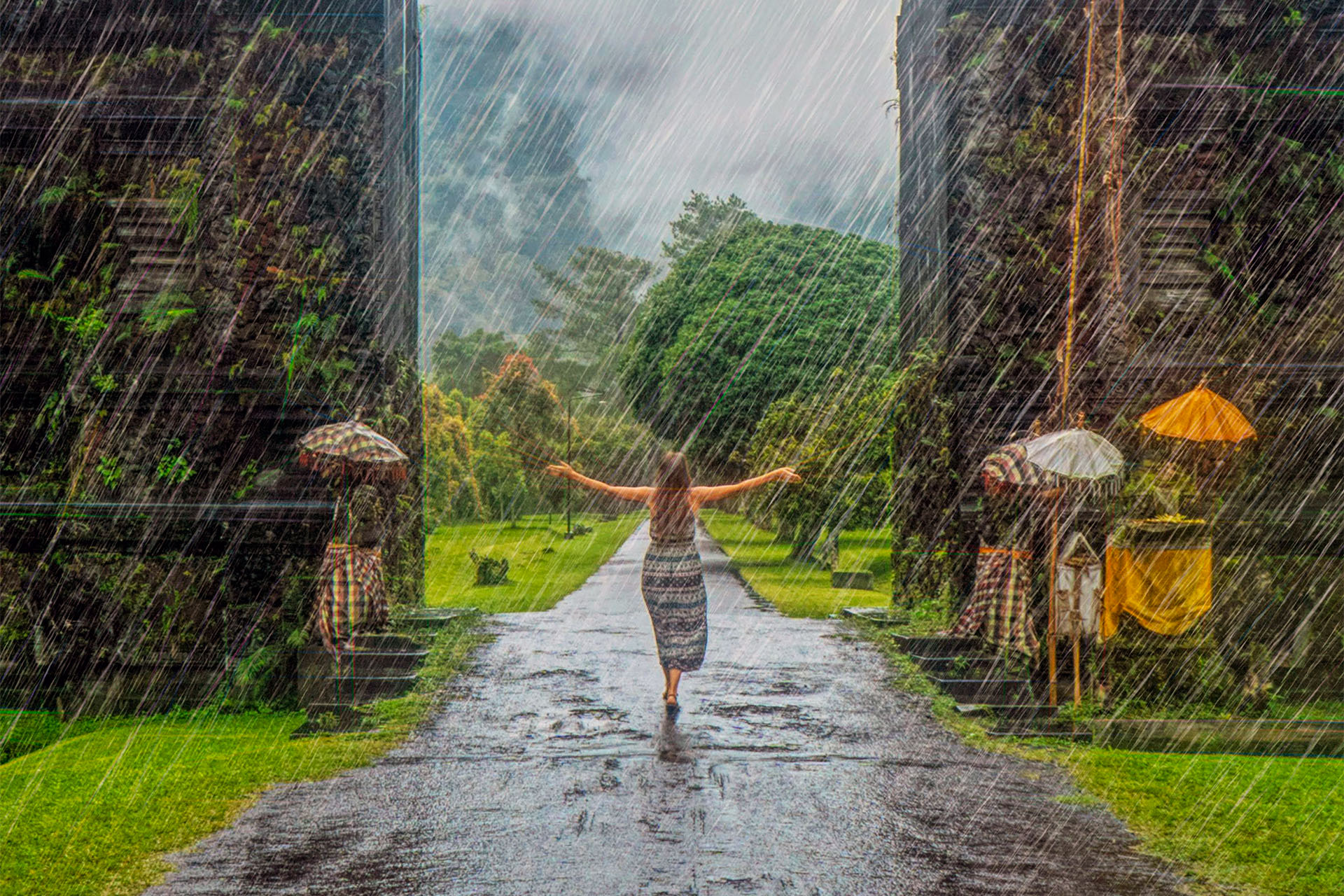
Unlike destinations with four distinct seasons, Bali flows between moments rather than months. Sunshine and tropical rain coexist throughout the year, each bringing its own beauty and atmosphere. Mornings often arrive bright and clear, while afternoon showers nourish rice fields and gardens, leaving evenings cool and refreshed. This ebb and flow means that the best time to visit Bali depends less on avoiding rain and more on aligning your travel style with the island’s natural and cultural tempo.
At certain times of year, Bali hums with energy. Surf breaks come alive, cafés spill onto sidewalks, and beach clubs buzz with sunset rituals. At other moments, the island softens. Ceremonies unfold quietly in village temples, incense drifts through empty streets, and the landscape turns lush and emerald after tropical rain. Neither experience is better than the other—they simply offer different ways to connect with the island. For some travelers, Bali’s vibrant high season feels exhilarating. For others, the quieter months offer a deeper sense of calm and reflection.
This rhythm is especially apparent in Seminyak, one of Bali’s most versatile coastal enclaves. Often known for its dining, shopping, and lifestyle appeal, Seminyak reveals a different character depending on when you arrive. During sunnier months, days revolve around the beach, alfresco lunches, and long evenings outdoors. In softer seasons, Seminyak’s spa culture, café scene, and residential charm take center stage. As a Seminyak travel guide would quickly reveal, the area remains effortlessly enjoyable year-round—walkable, refined, and balanced, no matter the season.
Staying at Villa Issi Seminyak allows guests to experience this rhythm from a place of ease and privacy. Rather than adapting your holiday to the calendar, the villa becomes a constant—an elegant sanctuary that feels just as inviting during a bright, breezy dry season as it does during Bali’s greener, quieter months. As a luxury villa in Seminyak, Villa Issi offers the freedom to shape each day around your own pace: lingering mornings by the pool, unplanned afternoons indoors and out, and evenings that flow naturally from the villa into the surrounding neighborhood.
In Bali, timing is not about choosing the “right” month—it is about choosing the right mood. By understanding the island’s rhythm, travelers discover that Bali is not a destination to be rushed or narrowly scheduled. It is a place to be felt, lived, and experienced—one season, one moment, and one memory at a time.
Bali’s Climate Explained: Dry Season vs Wet Season
To truly understand when to visit Bali, it helps to let go of the idea that weather alone defines the quality of a holiday. Bali’s climate is tropical and remarkably consistent, shaped less by dramatic seasonal shifts and more by subtle changes in rainfall, wind, and atmosphere. This is why travelers often find Bali just as rewarding in so-called “off-peak” months as they do during the island’s busiest season.
Broadly speaking, Bali’s year is divided into two main periods: the Bali dry season and the Bali wet season. Each brings its own advantages, and neither should be viewed as inherently better or worse—only different.
Dry Season: April to October
The dry season, which typically runs from April through October, is what many travelers imagine when picturing Bali. Days are dominated by blue skies, low humidity, and cooling trade winds that make time outdoors especially comfortable. This is the season of long beach days, early morning surf sessions, and evenings spent dining al fresco.
Because conditions are so reliable, this period also marks Bali’s peak travel season. July and August, in particular, coincide with school holidays in many countries, leading to higher accommodation rates and busier streets in popular areas like Seminyak. The trade winds that blow during these months are welcomed by surfers and kite flyers alike, especially along Bali’s western and southern coastlines.
If your travel priorities include maximum sunshine, minimal rain, and a lively atmosphere, the dry season is often considered the ideal answer to when to visit Bali. However, it’s worth noting that “dry” does not mean rain never falls—only that showers are less frequent and usually very brief.
Wet Season: November to March
The Bali wet season, from November through March, is frequently misunderstood. Rather than days of constant rain, this season is defined by short, intense tropical downpours, often occurring in the late afternoon or overnight. Mornings are typically bright and warm, with plenty of time for sightseeing, beach walks, or poolside relaxation before clouds roll in.
One of the most noticeable changes during the wet season is the landscape itself. Rice fields glow a deeper green, gardens become lush and full, and the island feels refreshed. There is also a quieter, more introspective energy during these months, particularly outside the Christmas and New Year period. Fewer crowds mean easier reservations, calmer roads, and more space to enjoy Bali at a slower pace.
For travelers who value tranquility, better value, and a softer experience of the island, the wet season can be a hidden gem rather than a compromise.
Temperatures and Rainfall Realities
One reassuring constant is temperature. Bali’s climate remains warm year-round, with daytime temperatures generally hovering between 26°C and 30°C (79°F to 86°F), regardless of season. Humidity rises slightly during the wet months, but coastal areas like Seminyak benefit from regular breezes that keep conditions comfortable.
When looking at Bali weather by month, it becomes clear that rainfall is rarely an all-day affair. Showers tend to be predictable, dramatic, and short-lived—often clearing the air and leaving behind cooler evenings. This rhythm allows travelers to plan days flexibly, enjoying the outdoors when the sun is out and embracing rest, dining, or spa time when rain arrives.
Ultimately, understanding Bali’s climate is less about avoiding certain months and more about choosing the atmosphere that suits your travel style. Whether you’re drawn to the clarity and energy of the dry season or the lush calm of the wet season, Bali remains welcoming, vibrant, and deeply rewarding all year long.
High Season, Shoulder Season & Low Season: What It Really Means
When planning a trip to Bali, travelers often hear terms like high season, shoulder season, and low season used interchangeably with weather forecasts. In reality, Bali travel seasons are shaped just as much by human patterns—school holidays, international travel habits, and festive calendars—as they are by sunshine and rain. Understanding these dynamics helps you choose not only the best time to visit Seminyak, but the version of Bali that best matches your expectations.
High Season: July–August, Christmas & New Year
High season in Bali typically peaks during July and August, followed by a second surge around Christmas and New Year. These periods align with school holidays in Europe, Australia, and parts of Asia, creating a noticeable increase in visitors across the island.
In Seminyak, high season brings a lively, cosmopolitan energy. Restaurants buzz late into the evening, beach clubs feel festive, and the streets are filled with a mix of returning regulars and first-time visitors. Accommodation rates are at their highest, and advance planning becomes essential—not only for villas and flights, but also for dining reservations and popular experiences.
For travelers who enjoy a vibrant atmosphere and don’t mind sharing Bali with others, high season can feel exciting and celebratory. However, it is also the time when patience is most needed, particularly when it comes to traffic and availability.
Shoulder Season: April–June, September–October
For many seasoned travelers, Bali shoulder season travel represents the sweet spot. Falling between the major holiday peaks, these months combine favorable weather with a more relaxed pace. Days are still bright and warm, yet the island breathes a little easier.
In Seminyak, shoulder season feels balanced and refined. Beaches are less crowded, service feels more personal, and there’s a sense that you’re experiencing Bali as it’s meant to be—unhurried and welcoming. Pricing during these months is often more attractive, offering better value without sacrificing comfort or quality.
If your idea of the best time to visit Seminyak includes ease, flexibility, and a quieter sophistication, shoulder season is often ideal.
Low Season: January–March
Low season in Bali generally coincides with the heart of the wet season, particularly January through March. While this period sees fewer travelers, it should not be mistaken for a time to avoid. Instead, it offers a different rhythm—slower, greener, and more introspective.
In Seminyak, the atmosphere during low season becomes noticeably calmer. Streets are quieter, restaurants feel more intimate, and the pace of life softens. Rain showers may shape the day, but they rarely dominate it, leaving plenty of room for relaxation, wellness, and meaningful downtime.
Ultimately, Bali’s seasons are less about right or wrong timing and more about alignment. Whether you seek celebration, balance, or serenity, understanding how these seasons truly feel allows you to choose a moment that resonates with how you want to experience the island.
Cultural Calendar Highlights: When Bali Comes Alive
To understand Bali fully, it helps to look beyond weather charts and peak travel months. The island follows a rich spiritual calendar that shapes daily life, community rhythms, and even the mood of entire regions. For many travelers, these moments of ceremony and tradition become the most memorable part of a journey. Rather than seeing them as disruptions, Bali’s cultural calendar invites visitors to slow down, observe, and connect. From island-wide pauses to joyful celebrations, Bali festivals and rituals are living expressions of faith and identity.
Nyepi (Day of Silence): A Rare Pause in the Modern World
Perhaps the most unique cultural event on the island is Nyepi Bali, the Day of Silence. Observed once a year based on the Balinese lunar calendar, Nyepi marks the Balinese New Year with 24 hours of complete stillness. Airports close, streets empty, businesses shut, and even lights are dimmed. No travel, no noise, no entertainment—only rest and reflection.
For travelers staying in Bali during Nyepi, the experience is profound rather than restrictive. Within the quiet of a private villa, guests are invited into a rare global silence—one that feels meditative, grounding, and deeply human. The night sky, free from light pollution, becomes remarkably clear. The day encourages reading, conversation, contemplation, and presence. Far from being an inconvenience, Nyepi often becomes a highlight for those seeking meaning beyond sightseeing.
Galungan & Kuningan: Celebrations of Balance and Gratitude
Galungan and Kuningan are among the most visually striking Balinese ceremonies. Celebrated every 210 days, Galungan marks the time when ancestral spirits return to visit their descendants. Tall bamboo poles known as penjor line the streets, arching gracefully above roads and temples, instantly transforming the landscape.
Kuningan follows ten days later, symbolizing the spirits’ return to the heavens. During this period, families dress in traditional attire, temples are filled with offerings, and the atmosphere feels joyful yet reverent. For visitors, it’s a beautiful opportunity to witness Bali at its most expressive—alive with color, ritual, and collective devotion.
Temple Odalan Ceremonies: Local Life in Motion
Every temple in Bali celebrates its own odalan, or anniversary, based on the 210-day Pawukon calendar. This means ceremonies happen constantly across the island, from major temples to small neighborhood shrines. These events are deeply local, often involving music, dance, and shared meals.
Travelers may encounter an odalan unexpectedly while exploring Seminyak or nearby villages. Rather than detours, these moments offer authentic glimpses into daily spiritual life. Respectful observation is always welcome, and the sense of community is palpable.
Full Moon & New Moon Rituals
Twice each lunar cycle, Bali marks the full moon (Purnama) and new moon (Tilem) with offerings and prayers. These quieter cultural events in Bali bring a gentle, reflective energy to the island. Temples glow in candlelight, incense drifts through the air, and evenings feel subtly more ceremonial.
In Bali, culture is not scheduled for performance—it’s lived. Aligning your visit with these moments adds depth, perspective, and a sense of connection that no season alone can define.
Best Time to Visit Bali Based on Travel Style
When travelers ask about the best time to visit Bali, the most helpful answer often begins with another question: how do you want to experience the island? Bali reveals different sides of itself depending on your pace, priorities, and companions. Rather than a single “perfect” month, the island offers windows of alignment for romance, family travel, wellness journeys, and longer stays. Understanding these nuances allows you to plan with intention—and enjoy Bali at its best for you.
Couples & Romantic Escapes
For couples seeking intimacy, atmosphere, and unhurried moments, the best time to visit Bali for couples often falls outside peak holiday periods. Shoulder seasons—particularly April to June and September to October—offer warm weather, fewer crowds, and a softer energy across the island. Sunsets feel more personal, dining experiences are more relaxed, and private villas become true sanctuaries.
These months are ideal for romantic dinners, spa rituals, and quiet beach walks, especially in areas like Seminyak where elegance and privacy coexist. Even the early evenings during the wet season can feel deeply romantic, with tropical rain creating a cocooning ambiance that suits couples who value connection over constant activity.
Families With Children
Families tend to prioritize predictability, comfort, and ease of movement. The best time to visit Bali with family often aligns with the dry season, particularly June, early July, and late August, when weather is reliable and school holidays make travel planning easier. Beaches are calmer, outdoor attractions are more accessible, and walking around town is more enjoyable for children.
That said, families with younger kids or flexible schedules may find the wet season surprisingly rewarding. Short rain showers rarely disrupt entire days, attractions are less crowded, and accommodations often feel more spacious and relaxed. For families who value downtime as much as adventure, Bali’s quieter months can be both practical and enriching.
Wellness Travelers
Wellness-focused travelers—those drawn to yoga, meditation, spa rituals, and mindful living—often gravitate toward the wet season, from November to March. During this time, Bali feels greener, quieter, and more introspective. The rain enhances the sensory experience rather than diminishing it, creating an ideal environment for inward-focused journeys.
Retreats, private sessions, and slow mornings are easier to access, and the island’s energy feels more restorative. For wellness travelers, Bali is not about perfect weather—it’s about presence, and the off-peak months support that intention beautifully.
Digital Nomads & Longer Stays
For digital nomads and long-term visitors, flexibility is key. Many choose to arrive during shoulder or low seasons to benefit from lower accommodation costs, easier mobility, and a more local rhythm of life. Those planning extended stays will also appreciate practical Bali rainy season travel tips, such as scheduling outdoor activities in the morning and embracing afternoons for work, rest, or indoor experiences.
Ultimately, Bali adapts to how you travel. By matching your visit to your travel style, you allow the island’s natural and cultural rhythms to work in your favor—transforming timing into one of your greatest assets.
Seminyak Through the Seasons: A Year-Round Destination
While discussions about the best time to visit Bali often focus on island-wide patterns, Seminyak deserves its own lens. This coastal enclave has a unique ability to remain engaging, comfortable, and lifestyle-driven regardless of the season. Understanding Seminyak weather through the year reveals why it continues to attract travelers who value balance—sun and shade, energy and ease, exploration and retreat.
Dry-Season Living: Beach Days & Open-Air Evenings
During the dry season, from April to October, Seminyak leans fully into its coastal rhythm. Mornings are bright and breezy, ideal for beach walks, light swimming, or watching surfers trace clean lines across the waves. The afternoons invite café hopping, boutique browsing, and relaxed lunches under shaded terraces. As the sun lowers, Seminyak’s west-facing beaches become the stage for golden-hour rituals—barefoot strolls, casual sunset drinks, and an unspoken pause as the sky shifts color.
Dry-season evenings are particularly inviting. Open-air restaurants come alive without feeling crowded, and the gentle trade winds make outdoor dining and villa living deeply comfortable. For guests staying at Villa Issi Seminyak, this season enhances the pleasure of indoor–outdoor spaces, private pool time, and evenings that naturally drift from dinner back to the quiet of the villa.
Rainy-Season Seminyak: Café Culture & Quiet Indulgence
When the rainy season arrives, usually between November and March, Seminyak simply changes tempo. Rainfall tends to come in short, intense bursts—often in the late afternoon or overnight—leaving mornings fresh and usable. Rather than limiting experiences, this shift highlights a different side of the neighborhood.
Rainy days are made for lingering breakfasts, unhurried coffee stops, and extended spa visits. Seminyak’s café culture thrives during this period, offering comfortable, stylish spaces that encourage slowing down. Spa treatments feel more restorative, boutiques are easier to browse, and the streets take on a calmer, more local atmosphere. For travelers who appreciate depth over pace, the wet season adds intimacy rather than inconvenience.
Walkability, Comfort & Villa Life All Year Long
One of Seminyak’s greatest strengths—and a key reason it features prominently in any Seminyak travel guide—is its consistent walkability. Sidewalks, short distances, and a dense mix of dining, wellness, and shopping mean that even seasonal weather shifts rarely disrupt daily plans. You are never far from a café, a beach access point, or a quiet corner to retreat.
This is where Villa Issi Seminyak truly comes into its own. Regardless of season, the villa offers a private rhythm that complements the surrounding lifestyle—sunny mornings by the pool, shaded afternoons indoors, and evenings that feel calm and personal. In Seminyak, the seasons don’t define whether you should visit; they simply shape how you choose to enjoy your stay.
Staying at Villa Issi: Why Timing Feels Effortless
One of the quiet advantages of choosing the right accommodation in Bali is that it can make questions about timing almost irrelevant. At Villa Issi Seminyak, the experience is designed to flow naturally with the island’s rhythms, allowing guests to enjoy Bali fully whether they arrive during peak dry-season months or the softer, rain-kissed weeks of the wet season. This is where a thoughtfully designed luxury villa in Seminyak becomes more than a place to sleep—it becomes a buffer, a sanctuary, and a constant.
A private pool is central to this ease. In the dry season, it becomes the heart of the day, offering refreshing dips between outings and long, sunlit afternoons spent poolside. During the wet season, the pool still holds its appeal—surrounded by lush greenery, it feels cooler, quieter, and more reflective, especially when rain passes briefly overhead. Unlike shared resort pools, there is no need to adjust to crowds or schedules; the rhythm is entirely your own.
Indoor–outdoor living further softens seasonal contrasts. Open-plan spaces allow breezes and light to move freely through the villa when the weather is clear, while sheltered areas provide comfort during warmer afternoons or passing showers. This architectural balance means guests never feel confined indoors, nor overly exposed to the elements. It is an environment that adapts without effort, encouraging slow mornings, afternoon rest, and evenings that unfold naturally.
Crowd levels, often a concern when planning a Bali trip, are also less impactful when staying in a private setting. Even during high season, Villa Issi maintains a sense of calm that feels removed from the bustle beyond its walls. The villa’s layout and privacy ensure that peak travel periods do not translate into a compromised experience. In quieter months, that same privacy enhances the feeling of having Seminyak almost to yourself.
Location plays a final, important role. Situated close to Petitenget and central Seminyak, Villa Issi Seminyak offers easy access to beaches, temples, dining, and cafés year-round. Seasonal rain or heat rarely disrupt plans when everything is within a short walk or drive. For travelers seeking a Bali villa for rent that makes timing feel effortless rather than strategic, Villa Issi allows the focus to return to what truly matters—being present, comfortable, and deeply at ease in Bali.
There Is No Wrong Time—Only the Right Mood
When travelers ask about the best time to visit Bali, they are often searching for certainty—perfect weather, fewer crowds, ideal conditions. Yet Bali has never been an island that fits neatly into a single definition of “best.” Its true magic lies in its ability to shift gently throughout the year, offering different moods rather than clear-cut seasons. Sunshine, rain, ceremony, stillness, and celebration each take their turn, shaping experiences that feel deeply personal rather than universally timed.
What this means for travelers is liberating. The dry season invites long beach days, golden sunsets, and energetic evenings in Seminyak. The wet season, often misunderstood, reveals a softer Bali—lush landscapes, dramatic skies, quieter streets, and a slower rhythm that many return guests quietly prefer. Cultural calendars weave through both, reminding visitors that Bali’s heartbeat is spiritual as much as it is seasonal. In every month, something meaningful unfolds.
Seminyak stands out as a destination that adapts beautifully to these shifts. Its walkable layout, café culture, beaches, and wellness offerings ensure that even when plans change with the weather, enjoyment does not. A morning rain simply redirects the day toward a spa visit, a long lunch, or time spent at home within the villa. Sunshine brings movement and exploration back into focus. The experience remains balanced, never dependent on a single condition.
This is where staying at Villa Issi Seminyak quietly completes the picture. A private, thoughtfully designed villa absorbs Bali’s changing moods and reflects them back as comfort, privacy, and ease. Whether the island feels vibrant or hushed, Villa Issi offers a steady sense of calm—an anchor that allows guests to stop worrying about timing and start listening to how they want to feel.
In Bali, the question is not when to come, but why. Are you seeking energy or rest, celebration or reflection, movement or stillness? Once that answer becomes clear, the rest follows naturally.
Choose the season that speaks to you — Villa Issi will be ready.