Cultural Highlights Near Seminyak – Seminyak is often introduced as Bali’s stylish coastal playground—an effortless blend of beach clubs, boutique shopping, and contemporary dining. Yet to truly understand the neighborhood is to look beyond its polished exterior. Beneath the modern rhythm lies a world shaped by rituals, ceremonies, and centuries-old traditions that still guide the community’s daily life. In fact, many of the cultural highlights near Seminyak reveal that this vibrant area is not only about sophistication but also about spirit.
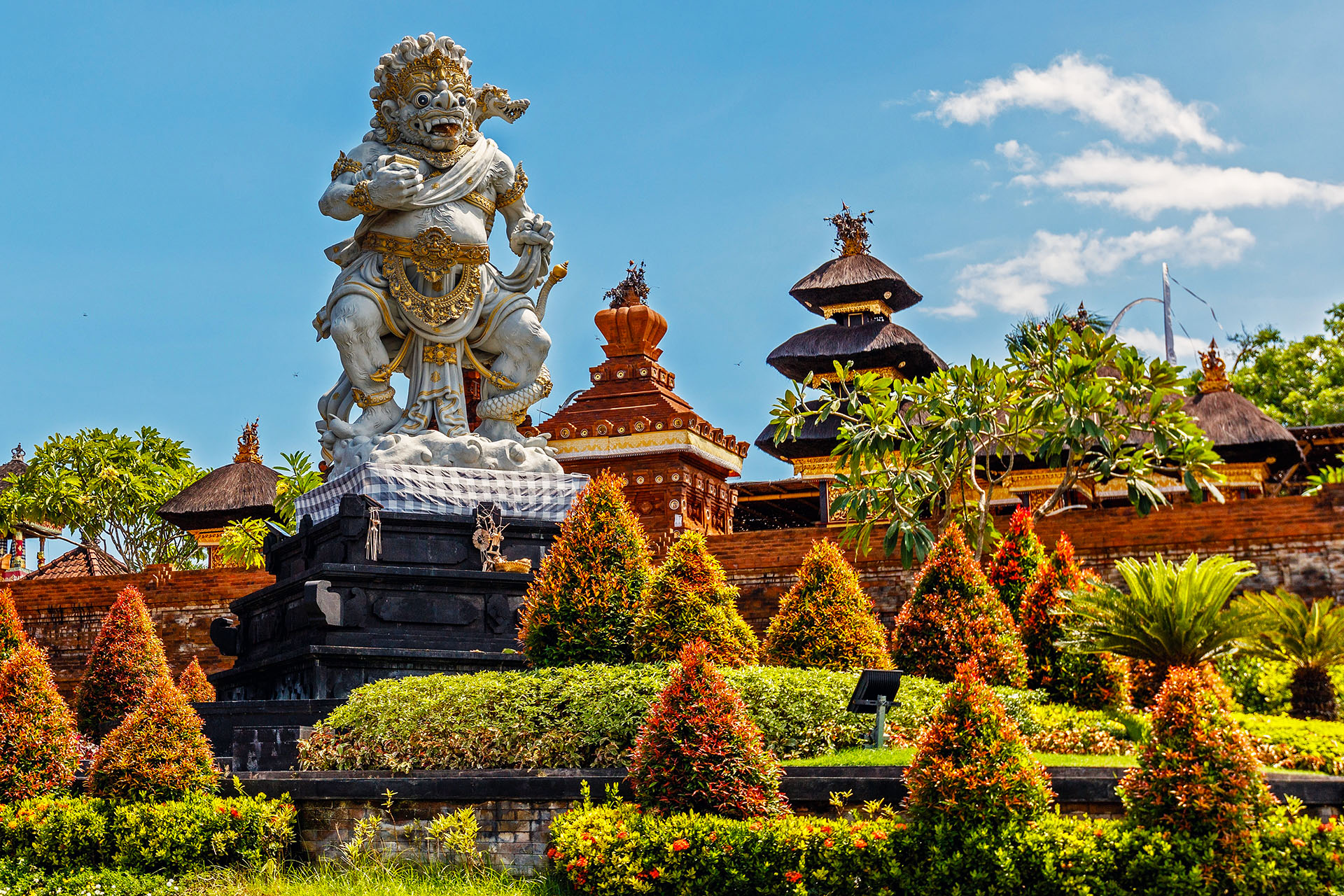
Where Bali’s Spirit Meets Seminyak Style
What makes Seminyak truly remarkable is the way its culture is lived, not displayed. Walk along any street in the early morning and you’ll see Canang sari—handwoven palm-leaf offerings—placed at doorways and temple gateways. Fragrant incense drifts through the air as locals begin their day with gratitude, setting the tone for a neighborhood that feels both contemporary and deeply rooted. This gentle harmony between modern energy and ancient ritual forms the essence of Seminyak culture, giving travelers the chance to experience Bali’s spiritual heartbeat without leaving the area’s comforts.
And it is here, tucked peacefully within one of Seminyak’s most exclusive residential pockets, that Villa Issi Seminyak offers guests a front-row seat to both worlds. While the villa is surrounded by some of the island’s best dining, shopping, and entertainment, it also sits just moments away from revered temples, daily offerings, and ceremonial processions that unfold naturally as part of Balinese life. Guests can step outside the villa gate and instantly feel connected to the cultural rhythm that shapes the neighborhood—yet return home to privacy, calm, and lavish comfort.
This seamless balance is part of what makes Villa Issi such a meaningful base for discovery. As a luxury villa in Seminyak, it captures the spirit of the island through thoughtful design, curated spaces, and an atmosphere that feels quietly sophisticated. After a morning wandering near iconic temples or witnessing a local ceremony, travelers can retreat to the villa’s cool, contemporary interiors, relax by the private pool under swaying frangipani trees, or enjoy a slow lunch prepared by the in-house chef.
In Seminyak, culture is not something you visit—it’s something you live alongside. And staying at Villa Issi allows guests to experience this rare blend of style and spirituality with ease. The villa becomes the bridge: a serene sanctuary from which to explore, observe, and connect with the traditions that give Seminyak its soul.
Petitenget Temple: Seminyak’s Sacred Heartbeat
Long before Seminyak evolved into one of Bali’s most fashionable destinations, the coastline was watched over by a sacred guardian: Petitenget Temple. Known locally as Pura Petitenget, this centuries-old shrine stands as one of the most important spiritual sites in Seminyak, woven deeply into the island’s heritage. For travelers exploring cultural highlights near Seminyak, a visit here provides a beautifully authentic window into Balinese belief, ritual, and community life—just moments from Seminyak’s modern bustle.
Petitenget Temple is part of a chain of sea temples believed to protect Bali’s shoreline from negative spirits. Local legend tells of a powerful priest, Dang Hyang Nirartha, who instructed villagers to build a temple on this very spot to guard the area from unseen forces. Even today, many locals believe the temple’s presence brings balance to Seminyak—holding spiritual energy at the edge of the ocean while life unfolds vibrantly around it. This duality of protection and harmony is one of the reasons Petitenget remains the most revered Seminyak temple.
Architecturally, Petitenget Temple is captivating. Its towering red-brick gates, carved sandstone guardians, moss-covered shrines, and intricate split gates (candi bentar) echo the island’s classical temple style. As sunlight filters through the frangipani and banyan trees, the textures and colors come alive—terracotta hues warm under the afternoon sun, creating a magical play of light that makes the complex feel timeless. For visitors who appreciate history, design, or photography, the temple offers a feast of detail, depth, and atmosphere.
But the true magic of Petitenget Temple emerges during ceremonies. As one of the most active temples on this stretch of coast, it hosts regular rituals—particularly during full moons, new moons, and major Balinese festivals. Dressed in white and gold ceremonial attire, locals gather with offerings, music, and incense. Chants echo softly across the courtyard, while traditional umbrellas sway gently with the ocean breeze. Even for those who may not understand every symbolic meaning, witnessing a ceremony here is a moving and unforgettable experience—one that connects travelers to the living culture of the island.
While exploring, it’s important to observe photography etiquette. Visitors are welcome to take pictures of the architecture, shrines, and overall atmosphere, but should avoid photographing locals in prayer unless explicit permission is given. Flash photography is discouraged during ceremonies, as the temple is first and foremost a sacred place of worship. Modest dress—such as wearing a sash and covering shoulders—is also recommended to show respect.
Petitenget Temple stands as a reminder that culture in Seminyak isn’t limited to galleries or curated experiences; it lives, breathes, and evolves through daily devotion. Whether you’re admiring the temple’s craftsmanship, sensing its powerful coastal energy, or simply watching locals prepare offerings at dusk, Petitenget provides an essential cultural grounding point—an experience that no traveler seeking to understand Bali should miss.
Daily Rituals: Canang Sari & Spiritual Offerings
One of the most beautiful aspects of daily life in Bali is the constant presence of Balinese rituals unfolding quietly in the background. While visitors come to Seminyak for style, beaches, and dining, many soon discover that the island’s true charm lies in its spiritual rhythm—woven into everyday moments, gestures, and offerings. For travelers who wish to experience authentic culture as part of their list of things to do in Seminyak, observing the creation and placement of canang sari is a simple yet profound window into the heart of traditions in Bali.
Canang sari are the small, palm-leaf trays you’ll see adorning sidewalks, entrances, shrines, café counters, and even the front steps of boutiques. Lovingly arranged each morning—sometimes again in the afternoon—they hold flowers, rice, pandan leaves, and incense. More than decorations, they are offerings of gratitude. Every element has meaning: the colors of the flowers represent different Hindu gods; the incense carries prayers skyward; the placement of the tray grounds the intention in the physical world.
To Balinese Hindus, these offerings are a daily expression of balance—between the seen and unseen, the physical and spiritual, the blessings received and the thanks given. Their presence throughout Seminyak, even in the trendiest corners, is a reminder that beneath the area’s modern surface lies a deeply rooted cultural identity. Watching locals prepare canang sari is an experience far richer than any curated tour.
The best times to observe these Balinese ceremonies are early morning, just after sunrise, when shopkeepers and household members step outside to place fresh offerings for the day. The faint smell of incense drifting through Seminyak’s streets—mixing with the aroma of brewing coffee—creates a uniquely Balinese sensory moment. Late afternoon is also common, as families renew offerings before dusk settles over the temples and pathways.
When encountering canang sari, respectful behavior is essential. Avoid stepping on or kicking them; if they’re in your path, simply step around. During placement rituals, give space to the women who perform the offerings—this is a sacred act, even if it happens casually on the street. Photographing canang sari is generally allowed, but taking close-up pictures of locals mid-ritual should be done discreetly or with permission. Respect keeps the exchange genuine and honors the culture that makes Bali so special.
In understanding these small daily gestures, travelers gain a deeper lens into Bali’s spiritual heart—an element of Seminyak that remains constant, gentle, and profoundly human.
Ceremonies You May Witness Near Seminyak
One of the most magical aspects of Seminyak culture is how effortlessly traditional life flows alongside the district’s contemporary rhythm. Even as Seminyak continues to evolve into one of Bali’s most stylish destinations, its spiritual identity remains deeply intact. Travelers strolling near Petitenget, relaxing by the beach, or even walking from boutique to café may unexpectedly find themselves witnessing Balinese ceremonies—vivid, moving expressions of devotion that reveal the island’s soul. These moments often become the most unforgettable memories of a trip, offering meaningful insight into cultural traditions in Bali.
Melasti: A Procession Toward Purity
During major religious periods—especially before Nyepi, the Balinese Day of Silence—visitors may see the breathtaking Melasti ceremony unfolding along Seminyak Beach. Villagers dressed in white carry temple heirlooms, parasols, and ornate offerings toward the sea as part of a cleansing ritual. The ocean is believed to purify both the sacred objects and the community’s spiritual energy.
Gamelan musicians accompany the procession with hypnotic rhythms, while women walk in elegant lines balancing towering offerings atop their heads. It is a powerful, serene, and visually stunning moment, and witnessing it feels like stepping into one of Bali’s most intimate traditions. Melasti often draws curious onlookers, but it remains a sacred act—observing from a respectful distance is essential.
Odalan: A Temple’s Birthday Celebration
Another ceremony travelers may encounter is Odalan, the anniversary celebration of a temple. Every 210 days, according to the Balinese calendar, each temple—large or small—celebrates its “birthday.” At Petitenget Temple, Seminyak’s most important spiritual landmark, Odalan is a vibrant and joyful multi-day event.
During Odalan, the temple grounds fill with color: marigold-gold canopies, families in traditional attire, priests preparing holy water, and dancers performing classical rituals. Tourists are welcome to observe from outside the main inner courtyards, provided they dress modestly and behave respectfully. The atmosphere is festive yet deeply sacred, offering a rare glimpse into the community’s spiritual heartbeat.
Street Processions & Gamelan Parades
As you wander Seminyak’s lanes—especially near Petitenget or local banjars (community halls)—you may see small processions accompanied by gamelan orchestras. These may be cremation rites, blessing parades, or local community ceremonies. Traffic often pauses to let the procession pass, and locals stand respectfully at the roadside, acknowledging the spiritual journey taking place.
For visitors, such encounters are reminders that spirituality here is not occasional—it is interwoven into daily life.
Blessing Rituals at Shops, Hotels, and Villas
It’s also common to see blessing rituals being performed at cafés, boutiques, and villas. New businesses often hold a blessing before opening, and many properties—including luxury villas—invite priests to conduct ceremonies for protection and harmony. Should travelers witness this at a shop entrance or hotel garden, it is appropriate to watch quietly from a respectful distance.
Etiquette to Keep in Mind
While these ceremonies are visually captivating, they are primarily spiritual acts. A few simple gestures ensure respectful participation:
- Keep a polite distance, especially from priests or dancers.
- Dress modestly when entering temple grounds—sarongs are often available to borrow.
- Do not interrupt or step in front of processions.
- Photography is allowed in many outdoor settings but should be done discreetly; avoid using flash or positioning cameras directly in the way of participants.
- Never touch offerings or ceremonial objects.
Observing these customs preserves the sanctity of the moment and leaves a positive impression on the local community.
Sunset Spirituality: Seminyak Beach & Ritual Life at Dusk
As the day softens and the sky turns gold, Seminyak Beach becomes one of the most poetic cultural highlights near Seminyak. Known internationally for its vibrant beach clubs and lively sunset scene, the shoreline also holds a quieter, deeply spiritual identity that emerges most beautifully at dusk. For many visitors, this duality—the interplay between modern energy and timeless tradition—is what makes Seminyak so captivating.
Just steps away from lively venues, you may notice small woven offerings placed delicately in the sand. These beach offerings are part of daily spiritual practice for local families who honor the sea as a powerful living force. Women dressed in kebaya often walk to the shore carrying baskets of canang sari and incense, performing gentle gestures of prayer as the smoke drifts toward the waves. The moment is serene, intimate, and distinctly Balinese.
It is here, along this same coastline, that spiritual traditions in Seminyak reveal themselves quietly to those who take time to observe. Fishermen preparing their boats for the evening tide sometimes pause to bless their nets, asking the spirits for safety and good fortune. The rituals are simple—just a few flowers, a whisper of incense, a touch of holy water—but their significance runs deep. They reflect the Balinese belief that every action, if done with intention, becomes a prayer.
This sacred rhythm continues even as beach clubs pulse with music just meters away. At sunset, Seminyak becomes a meeting place of worlds: DJ sets echo across the sand while incense curls upward toward the fading sky; fire-red cocktails are lifted in celebratory toasts while local families kneel in prayer nearby. This contrast is not a conflict—it is a reflection of Bali itself, a place where tradition is never overshadowed by modern life but instead exists harmoniously alongside it.
For travelers seeking meaningful things to do in Seminyak, simply strolling along the beach at dusk offers a beautiful window into local culture. You don’t need to join a ceremony; presence alone is enough. Walk softly, observe respectfully, and let the atmosphere wash over you.
If you’re lucky, you may hear distant gamelan sounds drifting from a temple compound or glimpse a procession returning from the water’s edge. Or you may simply watch as incense trails dissolve into the wind while the tide rolls in—a small moment, but one that carries all the quiet reverence of Bali’s spiritual heart.
Other Cultural Sites Within 20 Minutes of Seminyak
While Seminyak is best known for its beaches and sophisticated dining scene, travellers are often surprised to discover that several meaningful cultural highlights near Seminyak lie just a short drive away. These lesser-known temples and traditional zones reveal a gentler, more spiritual side of the region—one that continues to guide local life behind the lively storefronts and modern cafés.
Masceti Temple, Kerobokan
Only 10–15 minutes from central Seminyak, Masceti Temple is one of the most important temples near Seminyak, especially for local farmers and fishermen seeking protection from natural forces. Unlike the coastal Masceti temples found elsewhere in Bali, the Kerobokan version blends village traditions with a distinctly serene atmosphere.
Visitors will find quiet courtyards, pavilions dedicated to ancestral spirits, and a strong connection to rice field culture. Early morning is the best time to visit, when the air is cool and the temple grounds are still, allowing you to observe locals placing small offerings before the day begins.
Pura Dalem Taman Kaja – A Banjar-Style Temple
Around 15 minutes north of Seminyak, Pura Dalem Taman Kaja represents the spirit of the banjar (neighbourhood community). As a “Dalem” temple, it is dedicated to gods associated with transition, protection, and purification.
What makes this site special is the community atmosphere—its décor, shrines, and courtyards are shaped by local artistry rather than grand royal patronage. During festival periods, the temple comes alive with gamelan rehearsals, offerings piled high in woven baskets, and dramatic penjor poles lining the streets.
If you time your visit in the late afternoon, you may catch locals preparing offerings or arranging decorations for upcoming ceremonies.
Desa Adat & Traditional Village Zones
Scattered around Kerobokan, Umalas, and parts of Batu Belig are pockets of Desa Adat, traditional village territories that quietly coexist with Seminyak’s modern landscape. These zones maintain strict cultural protocols, customary councils, and community temples that reflect longstanding cultural highlights near Seminyak.
Travellers can observe shrines at street corners, communal pavilions (bale banjar), and ceremonial gateways marking sacred boundaries. Morning or late afternoon walks offer the best chance to see residents preparing offerings, practising gamelan, or conducting blessing rituals.
Kayangan Jagat Shrines
Across Seminyak and its neighbouring villages, you will encounter small but significant Kayangan Jagat shrines—universal temples that serve the wider community. These shrines are often found near crossroads, rice fields, or water sources, symbolising spiritual protection for all.
Though humble, they offer deep insight into cultural traditions in Bali and provide a window into the daily spiritual rhythm that shapes local life.
Bali Temple Etiquette
When visiting any temple or shrine, remember essential Bali temple etiquette:
- Wear a sarong and sash where required.
- Avoid entering temple courtyards during active ceremonies unless invited by a local.
- Refrain from taking photos of priests or people in prayer without permission.
- Do not step over offerings, especially the fresh ones placed on the ground.
- If unsure, follow the lead of the local community or ask a temple caretaker.
Together, these sites provide a quiet yet profound understanding of the living heritage that surrounds Seminyak—offering travellers a deeper layer of meaning beyond the beach clubs and boutique streets.
Return to Villa Issi: A Modern Sanctuary Rooted in Balinese Spirit
After a day immersed in temple anniversaries, sunset rituals, and the gentle rhythm of Balinese ceremonies, returning to Villa Issi Seminyak feels like stepping into a contemporary sanctuary shaped by the island’s spiritual grace. This luxury villa in Seminyak blends tropical modernism with subtle cultural references, creating the ideal retreat for travellers who want both aesthetic comfort and a meaningful connection to the place they are staying.
Tropical Modernism with Balinese Sensibility
Designed with clean lines, open-air walkways, and a thoughtful interplay of light and shadow, Villa Issi’s architecture pays homage to the tropical modernist movement that Bali is celebrated for. While the villa feels distinctly current, its soul is anchored in traditional principles—flow, openness, shade, and harmony with the natural environment.
Breezes pass through latticed façades, sunlight filters across curated textures, and every room is oriented to maintain a sense of calm continuity. It feels modern yet unmistakably Balinese in spirit.
Art, Space & Mindful Interiors
Throughout the villa, you’ll find carefully chosen art pieces that echo themes of Balinese culture—abstract forms inspired by temple motifs, sculptures crafted by local artisans, and fabrics that mirror the colours of offerings and ceremonial textiles. These artistic touches subtly extend the cultural stories you’ve encountered throughout the day.
Spacious bedrooms open to treetops, and the common areas create a gentle rhythm of movement—from terrace to living pavilion to secluded corners designed for quiet reflection.
A Garden That Breathes With Bali
The villa’s gardens offer another layer of sanctuary. Lush frangipani, tropical palms, and sculpted lawn spaces create a sense of grounding after exploring the lively cultural highlights of Seminyak.
The private pool becomes a soothing counterpart to the sensory richness of the day, while the poolside pavilion serves as a tranquil setting for meditation, reading, or simply absorbing the soft hum of the evening.
Culinary Rituals at Your Villa
Many guests find that returning from a ceremony or a temple visit ignites curiosity about Balinese flavours. With a private chef on hand, your villa becomes a place where the day’s cultural experiences continue through food.
Fresh sambal, aromatic lawar, fragrant coconut-based dishes, and seasonal fruits can be prepared to your taste—allowing you to savour the island’s culinary heritage in a setting that feels both intimate and refined.
A Convenient Cultural Retreat
Despite its peaceful atmosphere, Villa Issi is only a pleasant walk away from Petitenget Temple—one of the area’s most active spiritual hubs. This proximity means that you can easily experience the region’s rituals at dawn or dusk, then return to a quiet space that feels worlds apart.
A Bali Villa for Rent That Completes the Journey
As a Bali villa for rent that pairs modern design with cultural grounding, Villa Issi becomes more than accommodation—it becomes part of the story of your stay. Every architectural detail, every piece of art, and every garden pathway enriches your connection to the traditions you’ve explored around Seminyak.
Returning here each evening feels less like going home and more like continuing your journey, wrapped in serenity, meaning, and understated Balinese elegance.
Discover Bali’s Culture Just Steps From Your Door
Exploring the cultural highlights near Seminyak reveals a side of the destination that often goes unnoticed by travellers focused solely on beach clubs, boutiques, and dining. Yet within this vibrant coastal district beats a spiritual world that is both ancient and alive—temples that safeguard the shoreline, daily offerings that honour balance, and ceremonies that unfold in the streets with graceful continuity. Seminyak is not merely a stylish holiday enclave; it is a living expression of Balinese identity.
What makes this area exceptional is how seamlessly everyday travel experiences blend with deep cultural encounters. A short stroll can lead you from designer storefronts to incense-lined temple courtyards. Sundown may bring music from beach gatherings, but it also ushers in prayers by fishing boats and families performing rituals at the water’s edge. Seminyak’s beauty lies in this coexistence—modern yet sacred, lively yet grounded in tradition.
Staying at Villa Issi Seminyak places you right at the heart of this balance. The villa’s refined architecture, curated interiors, and calming garden spaces offer a peaceful sanctuary after a day immersed in temple visits or ceremonial processions. With Petitenget Temple only a pleasant walk away, cultural exploration becomes effortlessly woven into your stay. You are close enough to witness Bali’s traditions yet sheltered in a private retreat designed for comfort, stillness, and reflection.
Whether you’re wandering to a morning offering, pausing to observe canang sari arrangements, or watching the sun set behind a beachfront ritual, Seminyak lets you touch the island’s spirit without venturing far. And when your day concludes, Villa Issi welcomes you home—elegantly, quietly, and with the sense of connection that makes every moment in Bali feel meaningful.
Stay where culture lives gently at your doorstep. Stay at Villa Issi Seminyak.